••
Ashaiman Municipal Assembly Empowers 59 Persons with Disabilities with GH¢400,000 Support Package
•2 min read•1 source
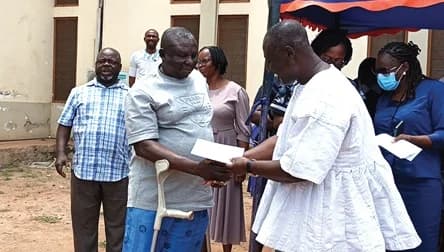
The Ashaiman Municipal Assembly has disbursed approximately GH¢400,000 to 59 Persons with Disabilities (PWDs) to foster economic independence and enhance their livelihoods within the municipality. This significant intervention, funded through the Disability Common Fund, is part of a broader national strategy to empower vulnerable citizens by providing them with the necessary tools and capital to start or expand small businesses. The distribution included a mix of direct financial aid and essential equipment, specifically tailored to the entrepreneurial goals and physical needs of the selected beneficiaries.
The selection process for this aid was described as rigorous, involving a screening phase to ensure that the resources reached those most capable of utilizing them for sustainable economic growth. Beyond mere financial relief, the initiative aims to transition PWDs from a reliance on charity toward active participation in the local economy. Municipal leaders emphasized that these public resources must be protected and used judiciously, noting that providing physical equipment alongside cash helps ensure that the investment leads to long-term business stability rather than immediate consumption.
The human impact of this support is exemplified by individuals like Israel K. Golomeke, a visually impaired resident who has faced significant hurdles in securing stable employment and managing daily expenses. For many like him, the assistance represents a critical lifeline and a rare opportunity to establish a self-reliant lifestyle. Leaders at the disbursement ceremony urged beneficiaries to abandon street begging, stressing that with the right support and personal determination, PWDs can contribute significantly to the socio-economic fabric of the community.
Despite the positive impact of this latest disbursement, stakeholders and municipal leaders have called for more consistent and timely releases of the Disability Common Fund to prevent service gaps. There is also an ongoing appeal for greater unity and collaboration among PWD associations to advocate more effectively for their collective rights. As the assembly continues to monitor the progress of these 59 individuals, it remains focused on the belief that sustained government intervention combined with personal accountability is the most effective path toward disability inclusion and poverty reduction.