••
Francis Asenso-Boakye demands 80% DACF release for district assemblies
•2 min read•2 sources
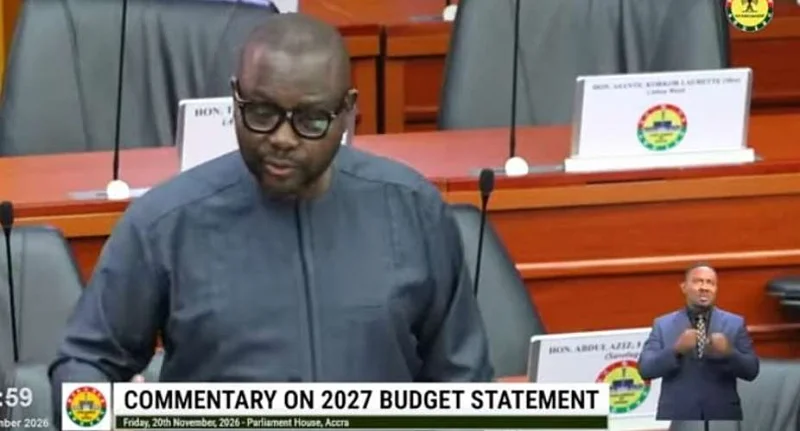
Francis Asenso-Boakye, the Member of Parliament for Bantama, has called on the Finance Minister to ensure that at least 80% of the District Assemblies Common Fund (DACF) is allocated directly to Metropolitan, Municipal, and District Assemblies (MMDAs). Speaking during the debate on the 2027 Budget in Parliament, the lawmaker emphasized that the effectiveness of local governance depends on the timely release of these funds and clear administrative guidelines that empower local authorities to manage their own resources.
The MP highlighted the proposed increase in the DACF from GH₵8.9 billion to GH₵10.8 billion for the upcoming fiscal year. While acknowledging the nominal growth in the fund, Asenso-Boakye argued that the increase would be meaningless without prompt disbursement. He expressed concern over how central government mandates often restrict the use of these resources, citing previous guidelines that compelled assemblies to prioritize specific projects, such as the construction of markets for the 24-Hour Economy initiative, which may not align with the immediate needs of every district.
Asenso-Boakye’s demand for an 80% direct allocation is rooted in a desire for greater financial autonomy at the local level. He argued that district assemblies are best positioned to identify and address the unique development needs of their communities. By allowing MMDAs to set their own development priorities without excessive interference from the central government, the MP believes the state can better achieve its decentralization goals and ensure that development efforts are tailored to the specific requirements of each locality.
The call for increased local control over the DACF reflects a broader legislative debate regarding the balance of power between the central executive and local government structures. As the 2027 Budget approval process continues, the Finance Minister faces pressure to provide clarity on the distribution mechanisms and the proportion of funds that will be released directly. Asenso-Boakye maintains that ensuring a significant portion of the fund remains in the hands of the assemblies is critical for fostering sustainable grassroots development and community progress.