••
Fr. Arturo Sosa visits Arrupe Jesuit Institute in Accra
•2 min read•1 source
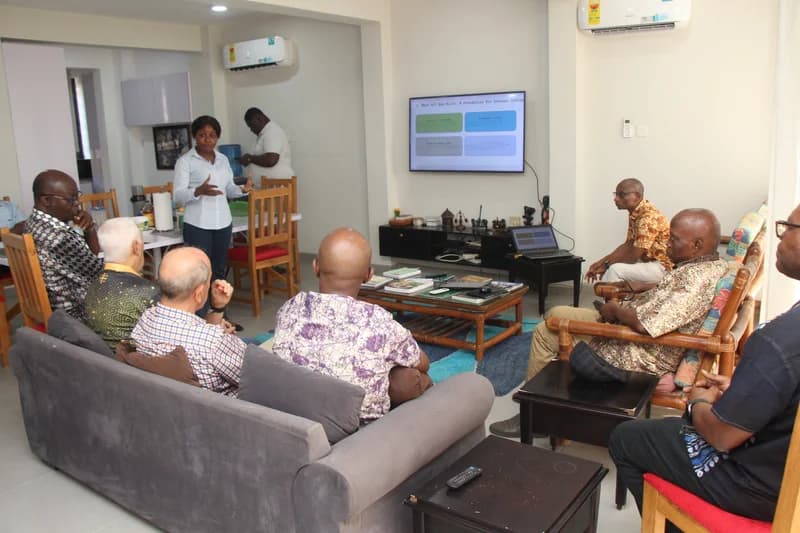
Fr. Arturo Sosa, SJ, the Superior General of the Society of Jesus, visited the Arrupe Jesuit Institute (AJI) in Accra on October 13, 2026, to engage with the institute’s leadership regarding its mission and strategic priorities. As the head of the global Jesuit order, Fr. Sosa’s visit underscores the importance of the AJI’s role in addressing contemporary social challenges within Ghana and across the African continent. Since its establishment in November 2018, the institute has integrated research with Catholic Social Teaching to provide a platform for critical discourse and practical solutions to societal issues.
The briefing sessions during the visit focused on the institute’s core initiatives, which include migration research, environmental ecology, and youth formation. These programs are central to the AJI’s efforts to foster public engagement and influence social policy through evidence-based advocacy. By focusing on these critical sectors, the institute aims to serve marginalized communities and contribute to the intellectual and ethical development of the region, utilizing its research to inform and shape broader public discourse.
A significant portion of the visit was dedicated to reviewing the AJI’s new Strategic Plan for 2026-2029. This roadmap emphasizes advocacy and youth empowerment as primary pillars for the coming years, seeking to equip young people with the leadership skills and values needed for social transformation. The plan is designed to ensure that the institute’s work results in tangible leadership development and long-term societal impact that resonates across the West African socio-political landscape.
Fr. Sosa commended the AJI for its dedication to its mission but also highlighted the necessity of achieving institutional stability. He specifically encouraged the leadership to prioritize financial sustainability as a foundation for long-term impact. This focus on economic resilience is seen as vital for ensuring that the AJI can continue its advocacy and research work independently and effectively, maintaining its role as a stable voice for justice and sustainable development in the years ahead.