••
Arthur Mensch denies Mistral is Emmanuel Macron's personal project
•2 min read•1 source
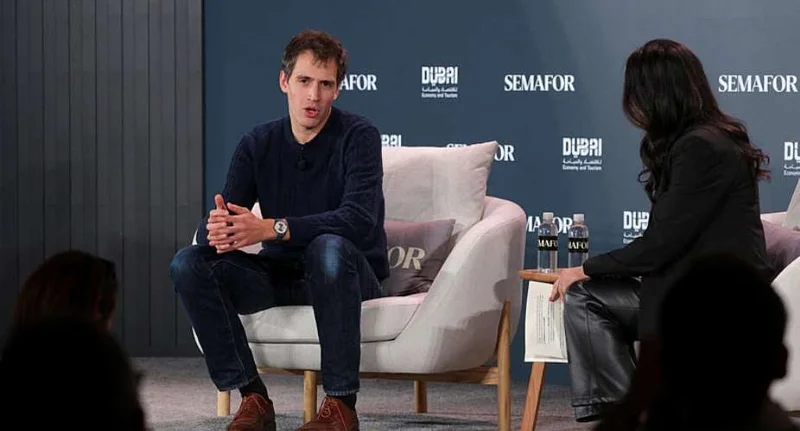
Arthur Mensch, the chief executive of the prominent French artificial intelligence startup Mistral, has explicitly denied claims that his firm serves as a "personal project" for French President Emmanuel Macron. Addressing a gathering of tech executives in Silicon Valley, Mensch sought to distance the company’s swift commercial ascent from the political influence of the Elys e Palace. While acknowledging that Mistral has flourished during Macron’s tenure, he emphasized that the company’s trajectory is driven by technological innovation and market demand rather than state-directed favoritism.
The CEO also utilized the platform to challenge the current state of political discourse surrounding technology in France. Mensch argued that presidential candidates and political leaders must develop a more sophisticated understanding of artificial intelligence as it becomes a defining factor in global economic competition. He signaled that the future of French and European industry depends on leaders who can navigate the complexities of AI, rather than viewing it through a purely political lens.
In a sharp critique of his American rivals, Mensch raised concerns regarding the data practices of leading US-based AI companies such as OpenAI and Anthropic. He cautioned that these firms could potentially leverage the business data provided by their clients to build products that eventually compete against those same partners. By highlighting these risks, Mensch positioned Mistral as a strategic alternative that prioritizes the integrity of business data, aiming to appeal to enterprises wary of the dominance of Silicon Valley giants.
Looking toward the company's long-term strategy, Mensch revealed that Mistral is currently laying the groundwork for a future initial public offering (IPO). This transition to a public company is viewed as a critical step in securing the capital necessary to challenge global leaders and reinforce Europe's position in the AI sector. Mensch concluded by underscoring the importance of technological sovereignty for the continent, particularly as shifting international political landscapes create new challenges for the tech industry.