••
Emmanuel Armah-Kofi Buah gives MMDCEs 30 days to list mining hotspots
•2 min read•1 source
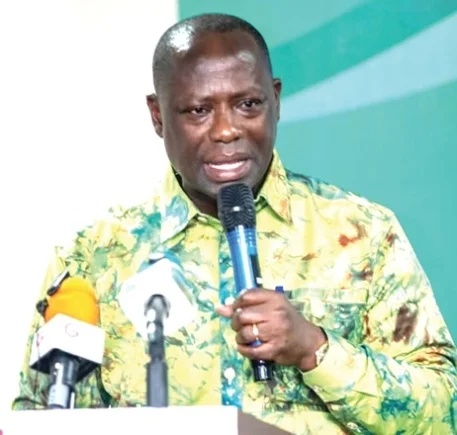
The Minister of Lands and Natural Resources, Emmanuel Armah-Kofi Buah, has issued a 30-day ultimatum to Metropolitan, Municipal, and District Chief Executives (MMDCEs) to identify and submit a comprehensive list of illegal small-scale mining hotspots. Speaking at a national conference in Kumasi, the Minister emphasized that this directive is a critical step in a renewed, coordinated effort to dismantle the illegal mining operations, popularly known as galamsey, that continue to threaten Ghana’s environment and national security. The directive requires local leaders to pinpoint specific locations where illicit activities are most prevalent to enable targeted enforcement.
This initiative marks a significant cross-sectoral partnership between the Ministry of Lands and Natural Resources, the Ministry of Environment, and the Ministry of Local Government. Minister of Environment Dr. Zanetor Agyeman-Rawlings characterized the ongoing environmental degradation as an existential threat to the nation, underscoring the urgency of the task. To support this mandate at the grassroots level, the Ministry of Local Government has pledged dedicated funding to assist MMDCEs in their monitoring and enforcement activities, ensuring that financial constraints do not hinder the identification process.
The push for localized accountability has received backing from traditional leaders, who attended the Kumasi conference to call for collective action among all stakeholders. The directive requires MMDCEs to look beyond active mining sites to include other environmental threats within their jurisdictions. By decentralizing the identification of illegal sites, the government aims to create a more accurate and actionable map of activities that have previously eluded central enforcement due to the remote nature of the operations.
As the 30-day deadline approaches, the success of this directive will depend on the transparency and diligence of local authorities in reporting activities that may sometimes be shielded by local interests. The consolidated list is expected to serve as a strategic blueprint for upcoming security interventions and land reclamation projects. Minister Buah reiterated that the health impacts and security risks posed by illegal mining are no longer tolerable, signaling a shift toward more stringent accountability for local leaders in the national fight against environmental crime.


