••
Minister Emmanuel Armah-Kofi Buah Spearheads Mining Law Overhaul Amid Enforcement Scandals and Labor Disputes
•3 min read•10 sources
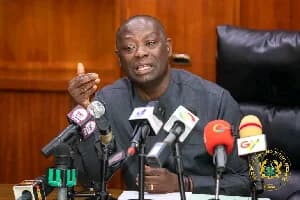
The Minister for Lands and Natural Resources, Emmanuel Armah-Kofi Buah, is spearheading a major transformation of Ghana’s mining sector through significant legislative reforms and infrastructure development. At the heart of this strategy is a Cabinet-endorsed overhaul of the Minerals and Mining Act of 2006, which seeks to modernize regulations and strengthen state oversight. Central to these efforts is the recent commissioning of an ultra-modern Minerals Commission regional office in Kumasi, designed to decentralize operations and enhance service delivery for the Ashanti, Bono, and Ahafo regions. Deputy Minister Yusif Sulemana emphasized that these investments are vital for the responsible management of Ghana's rich mineral deposits and for maximizing economic returns for the state. Under the proposed legal reforms, mining lease durations will be reduced from 30 years to 20 years, and development agreements that previously shielded shell companies from certain taxes will be abolished. The government also aims to streamline licensing processes to attract genuine investors while improving transparency. However, these administrative gains are being met with resistance from the Ghana Mineworkers' Union (GMWU). Led by General Secretary Abdul-Moomin Gbana, the union has called for an immediate suspension of directives favoring contract mining over owner-mining. The GMWU warns that this shift has led to a rise in precarious employment, with over 95% of mining jobs now under contract, resulting in worker pay cuts of up to 50% and a significant reduction in benefits. On the enforcement front, the fight against illegal mining, or galamsey, remains a complex battleground of successes and systemic failures. The National Anti-Illegal Mining Operations Secretariat (NAIMOS) recently conducted a high-impact sweep in Ablebo, Nzema East, where they destroyed 86 Chanfang machines and arrested three individuals to protect the Ankobra River. Conversely, the Blue Water Guards program has come under heavy fire from Akwasi Konadu, MP for Manhyia North. Following the arrest of nine guards for bribery and impersonation, Konadu described the program as a failed experiment and urged an independent audit. He argued that the government's focus on increasing personnel numbers has not translated into environmental protection, insisting on measurable outcomes over slogans and uniforms. Looking toward the future, the government is also positioning Ghana within the global energy transition by launching a major research project on critical minerals governance. Former Lands Minister Samuel Abu Jinapor highlighted the strategic importance of lithium, cobalt, and manganese in the clean energy supply chain. This initiative seeks to ensure that Africa’s role in providing essential minerals for electric vehicles and renewable technologies is grounded in justice and fairness. As the Ministry moves forward with reclamation exercises for abandoned sites and further decentralization, the balance between industrial modernization, labor rights, and environmental integrity remains the primary challenge for the Mahama administration’s mining agenda.

