••
Arm CEO Rene Haas Warns Global Chip Shortage Could Delay AI-Driven Cancer Breakthroughs
•2 min read•1 source
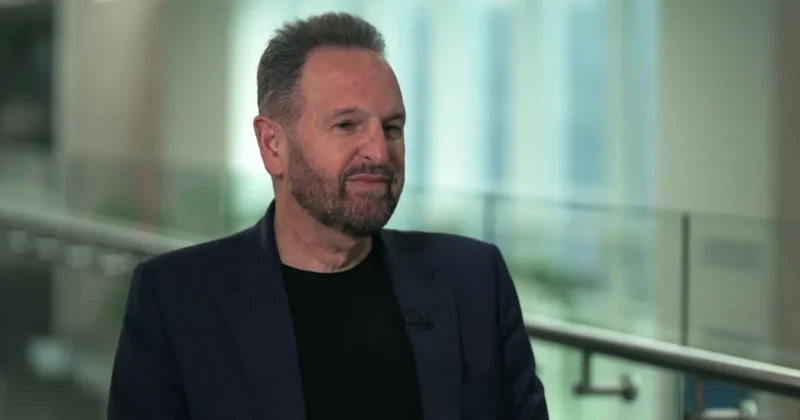
Rene Haas, the Chief Executive Officer of Arm Holdings, has highlighted the profound potential of artificial intelligence to solve some of humanity’s most complex medical challenges, specifically the discovery of a cure for cancer. Speaking on the rapid evolution of technology, Haas suggested that AI is capable of identifying patterns and solutions that exceed human cognitive capacity, potentially achieving breakthroughs within our lifetimes. However, he warned that the pace of these life-saving advancements is currently being constrained by a global shortage of the specialized semiconductors required to power advanced AI systems.
The bottleneck in chip production remains a critical concern for the technology sector as demand for AI capabilities continues to skyrocket. According to Haas, while the ability of AI to tackle intricate biological and medical issues is evolving at an unprecedented rate, the hardware infrastructure must keep pace to realize this potential. Arm Holdings, as a global leader in semiconductor architecture, plays a pivotal role in this ecosystem. Haas noted that despite ongoing supply constraints, the demand for Arm’s specialized technologies remains robust as companies across the globe race to integrate AI into their core operations.
Beyond the realm of medicine, Haas provided a broader vision for the future of robotics, predicting the imminent arrival of humanoid robots. He expects these machines to transform various industries by performing tasks with a level of dexterity and intelligence previously reserved for humans. This shift is expected to occur in the near future, further driving the necessity for high-performance computing power. Despite these optimistic technological forecasts, Haas expressed skepticism regarding the return of large-scale chip manufacturing to the United Kingdom, citing the complex global supply chains and economic factors that favor existing production hubs.
The intersection of AI and healthcare represents one of the most promising frontiers of the 21st century, but the realization of such goals depends heavily on the stability of the global semiconductor industry. As Haas and Arm Holdings continue to champion the development of AI-optimized hardware, the focus remains on overcoming supply chain hurdles that threaten to slow the march toward a cancer-free future. For now, the tech industry must navigate the delicate balance between rapid software innovation and the physical limitations of hardware manufacturing to ensure these "superhuman" solutions become a reality.