••
Samuel Danquah Arkhurst defends GH₵2.26bn social protection budget cut
•2 min read•1 source
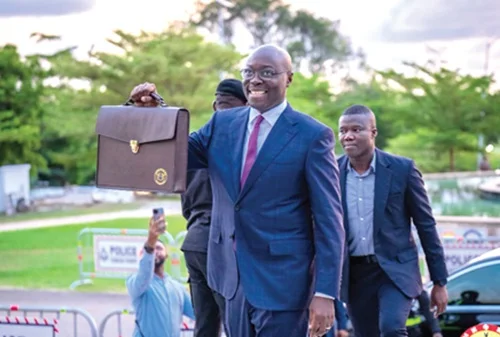
Samuel Danquah Arkhurst, the Coordinating Director at the Ministry of Finance, has clarified the government's fiscal stance following the allocation of GH₵2.26 billion for social intervention programs in the 2027 budget. Addressing concerns over a visible reduction in funding, Arkhurst emphasized that the specific budget line does not reflect the entirety of the state's commitment to social protection. This clarification comes as the 2027 allocation represents a 34.7% decrease from the GH₵3.46 billion earmarked for similar programs in the 2026 fiscal year.
According to Arkhurst, the GH₵2.26 billion figure is only a portion of the resources directed toward vulnerable populations. He explained that significant funding for social safety nets is also derived from statutory transfers and various programs integrated within other sector ministries. Furthermore, Arkhurst pointed out that critical interventions, such as the Livelihood Empowerment Against Poverty (LEAP) program, are legally protected and indexed to inflation. Consequently, these programs do not always require new policy indications or explicit increases within the primary budget document to maintain their operational value.
Despite the reduction in this specific allocation, the government maintains a broader economic strategy aimed at a $10 billion intervention across key sectors. This initiative is designed to stimulate job creation and enhance household incomes nationwide. A primary objective of this overarching fiscal plan is to drive down the national unemployment rate to approximately eight percent, signaling a shift toward direct economic empowerment alongside traditional social welfare.
The Ministry of Finance maintains that the 2027 budget structure prioritizes efficiency and the consolidation of resources. By leveraging statutory funds and inter-ministerial collaborations, the government intends to sustain its social interventions without compromising its wider macroeconomic targets. The focus remains on ensuring that the most vulnerable Ghanaians continue to receive support while the state pursues targets for economic growth and employment stability.
