••
ARIA Bars AI-Generated Tracks from Australian Charts as Dr. Dre Defends Technology's Creative Role
•2 min read•2 sources
The global music industry is grappling with the rapid rise of artificial intelligence, as Australia's peak music trade group, the Australian Recording Industry Association (ARIA), announced this week that wholly AI-generated music will be excluded from its official charts. The decision was prompted by a growing controversy surrounding an AI-generated cover of Madonna's classic hit "Like a Prayer" by DJ Josh Fawaz. The track’s surge in popularity sparked intense debate regarding the authenticity of recorded music and the criteria for commercial success. ARIA CEO Annabelle Herd emphasized that the move is essential to protect the integrity of the charts, ensuring they remain a reflection of human-led creative achievement.
Under the new guidelines, ARIA will distinguish between music created entirely by machines and tracks that use generative AI as a supportive tool. Recordings that are "substantially created by humans" will remain eligible for chart placement, while those without significant human input will be disqualified. This regulatory shift aims to provide transparency for consumers and artists alike, as the charts are widely disseminated across major digital platforms including Apple Music and Spotify. The policy highlights a growing need for clear definitions of authorship in an era where digital tools can convincingly mimic human vocalists and instrumentalists.
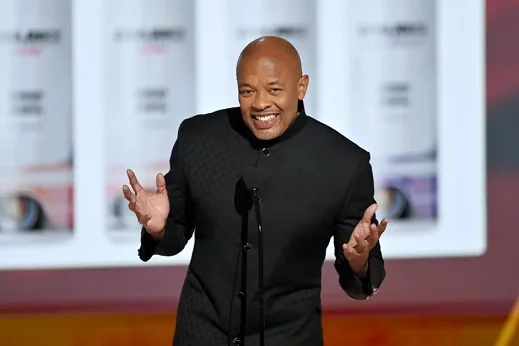
While regulators move to restrict AI's influence on charts, industry icons like Dr. Dre are offering a more optimistic perspective on the technology's creative potential. In a recent interview, the legendary producer and mogul compared the current skepticism surrounding AI to the initial resistance faced by drum machines and synthesizers in previous decades. Rather than viewing AI as a threat to artistry, Dr. Dre described it as a beneficial tool that can enhance the production process. His business partner, Jimmy Iovine, echoed this sentiment, suggesting that while some AI-generated content may be of lower quality, talented producers will ultimately leverage the technology to create superior works.
This debate over AI’s place in music is leading to tangible changes in how listeners consume digital content. In tandem with these industry discussions, Apple Music has announced plans to implement labels for AI-influenced tracks to further enhance transparency for its global subscriber base. As the music world navigates this transition, the contrast between ARIA’s strict chart exclusion and the creative embrace by veteran producers like Dr. Dre illustrates a complex landscape where the industry must balance the preservation of human craft with the inevitable evolution of technological innovation.