••
ARIA Bans AI-Generated Music from Australian Charts Amid Growing Industry Debate on Artificial Intelligence
•2 min read•2 sources
The Australian Recording Industry Association (ARIA) has officially moved to exclude wholly AI-generated music from its national charts, marking a significant regulatory milestone in the global music industry. Announced this week, the decision responds to mounting concerns over the authenticity of recorded music and the rapid rise of generative technology. The new policy dictates that only recordings substantially created by human artists will qualify for chart placement, effectively drawing a line between human-led creativity and automated production. This move ensures that the weekly charts, which are published across major platforms like Apple Music and Spotify, remain a reflection of human artistic achievement.
This regulatory shift was catalyzed by a controversy surrounding a cover of Madonna’s "Like a Prayer" by DJ Josh Fawaz, which gained significant popularity despite allegations of heavy AI involvement. ARIA CEO Annabelle Herd emphasized that the primary goal is to maintain the integrity of music consumption data and ensure transparency for fans. While purely AI-generated tracks are now barred, the association clarified that artists using AI as a supportive tool—similar to other digital production software—will remain eligible, provided the core of the work remains human-centric. This distinction highlights the industry's struggle to define where technology ends and artistry begins.
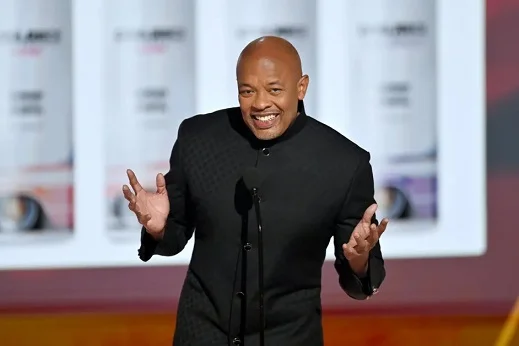
As regulators move to restrict AI’s influence on the charts, major figures in the music industry are offering a more nuanced perspective on the technology's creative potential. Legendary producer Dr. Dre has publicly defended AI, characterizing it as a beneficial tool rather than a threat to the craft. Comparing current AI skepticism to the historical resistance against drum machines and synthesizers, Dre noted that he is already embracing AI in his own creative process to enhance music production. His business partner, Jimmy Iovine, echoed this sentiment, suggesting that while some AI-generated content may be subpar, talented producers will inevitably use the technology to create even better works.
The tension between regulation and innovation highlights a period of rapid transformation for the global entertainment landscape. While ARIA focuses on chart integrity, streaming platforms like Apple Music are reportedly planning to label AI-influenced tracks to enhance transparency for their users. This dual approach—limiting chart eligibility while embracing the tool in the studio—suggests that the music industry is seeking a middle ground that protects the rights and status of human artists without stifling the inevitable evolution of digital production techniques.