••
Apple Store Staff Strike in Italy as Amazon Raises US Operational Wages to $20 Hourly
•2 min read•6 sources
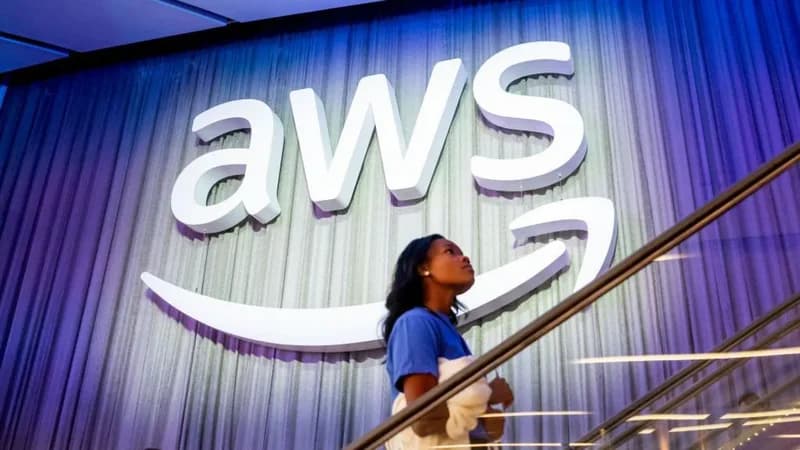
Major technology giants are facing shifting labor dynamics this week, with Apple Store employees in Italy launching a coordinated strike during a high-profile product launch while Amazon announced a wage increase for its U.S. operations workforce. These developments highlight the growing pressure on multinational corporations to address employee well-being and compensation in an increasingly competitive global labor market. Both companies are navigating distinct challenges in maintaining workforce stability as they manage massive retail and logistics operations.
In Italy, more than 1,600 employees across 17 Apple Stores, including the flagship location in Milan, staged pickets on the official launch day of the iPhone 18 Pro. Organized by trade unions Filcams CGIL, Fisascat CISL, and Uiltucs, the industrial action was driven by concerns over mounting workloads and inadequate employee well-being. The unions are advocating for significant structural changes, including the hiring of additional staff to manage demand, the conversion of fixed-term contracts into permanent positions, and increased opportunities for part-time employees to extend their working hours. In response, Apple maintained that its stores remained open and emphasized its commitment to providing comprehensive benefits and compensation to its staff.
Simultaneously, Amazon.com has moved to adjust its compensation structure for its eligible full-time U.S. operations workers. The company announced on Wednesday that it is increasing the minimum hourly pay by $1, bringing the new base rate to $20 per hour. This wage hike is widely viewed as a strategic response to a competitive labor environment where attracting and retaining warehouse and logistics staff has become increasingly difficult. While the company has not yet detailed the full implementation plan or the total number of employees who will benefit from the increase, the move represents a significant financial investment in its frontline workforce.
These contrasting developments underscore the diverse strategies and challenges within the global tech sector's labor relations. While Apple faces organized resistance from retail staff demanding better job security and workload management during peak commercial periods, Amazon is utilizing direct financial incentives to stabilize its logistics network. As labor movements continue to gain momentum across the tech industry, the ability of these corporations to balance high-stakes product cycles with evolving employee expectations will remain a critical factor in their operational success.