••
Apple Debuts First Foldable 'iPhone Duo' and iPhone 18 Pro Series Amid Debate Over Innovation
•2 min read•4 sources
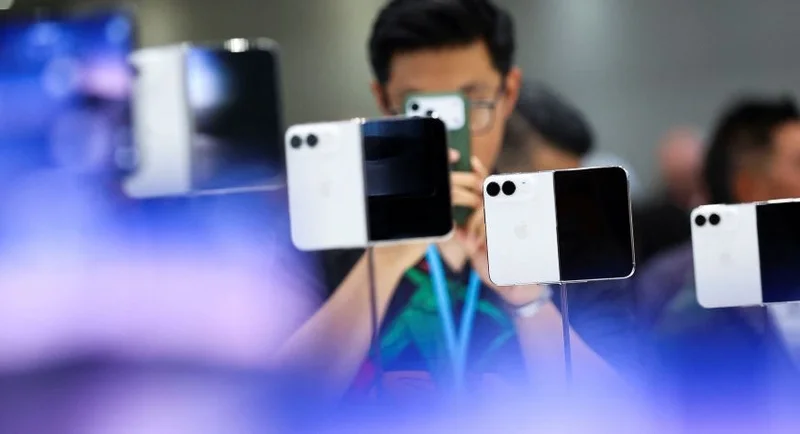
Apple has officially entered the foldable smartphone market with the unveiling of the iPhone Duo, alongside the launch of its new flagship models, the iPhone 18 Pro and iPhone 18 Pro Max. The announcement has sparked a significant debate among tech analysts and consumers, with reactions split between those who view the hardware event as revolutionary and others who see it as merely incremental. This strategic move underscores Apple’s long-standing approach of observing competitors like Samsung and Huawei to refine technology before introducing a polished, ecosystem-integrated version to its own user base.
The centerpiece of the event, the iPhone Duo, represents Apple’s first foray into foldable devices. While the device offers the seamless software integration typical of the brand, early assessments highlight several potential drawbacks compared to established rivals. The Duo is reportedly heavier and carries a higher price tag than competing foldables from Samsung and Huawei. Additionally, early reviews suggest that its multitasking capabilities may be more limited, posing a challenge for users who expected a more transformative functional experience from the new form factor.
Regarding the standard flagship line, the iPhone 18 Pro and Pro Max offer what are described as modest upgrades over their predecessors. These include enhanced camera systems and a faster internal chip designed to improve processing speeds. However, these refinements are seen as evolutionary rather than revolutionary, as they do not significantly alter the daily operation of the device for the average user. For owners of relatively recent iPhone models, the performance gains may not be substantial enough to justify the cost of an immediate upgrade.
Ultimately, the launch serves as a reminder for consumers to prioritize utility over marketing hype when considering new technology investments. While the iPhone Duo and the 18 Pro series offer high-quality hardware, experts suggest that users should maximize the lifespan of their current devices unless they face genuine performance limitations. The decision to upgrade should be driven by a practical need for the new features rather than the desire for the latest gadget, ensuring that consumers get the best possible return on their technology spending.
