••
ANOPA Project trains 30 teachers on disability inclusion in sports
•2 min read•2 sources
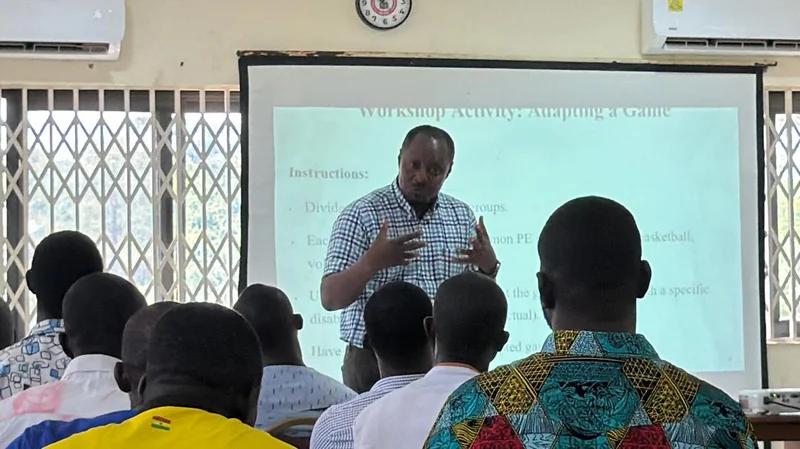
The ANOPA Project has organized a specialized workshop in Cape Coast aimed at enhancing disability inclusion and equitable participation in school sports. Held on October 28, 2026, the session brought together 30 teachers from across the Cape Coast Metropolis to discuss practical methods for integrating students with disabilities into athletic programmes. The initiative, supported by the RYTHM Foundation and the Ghana Education Service (GES), seeks to bridge the gap between mere physical access to facilities and genuine, dignified participation.
During the training, participants explored various strategies for adapting sports activities to meet the specific needs of students with hearing, visual, and intellectual impairments. Dr. Kwadwo Owusu, a lecturer at the University of Cape Coast (UCC), provided academic and practical insights into inclusive physical education. Facilitators urged the attending educators to actively listen to the children they serve, arguing that involving students with disabilities in the design and execution of their own sporting activities is essential for fostering a true sense of belonging and confidence.
Ernest Appiah, the Executive Director of the ANOPA Project, emphasized that real inclusion must be built on the foundations of dignity and equity. He noted that it is no longer sufficient to provide physical access; instead, the focus must shift toward ensuring that every child, regardless of their physical or intellectual challenges, has the opportunity to participate meaningfully. Appiah called on the Ghanaian government and educational stakeholders to broaden their commitment to inclusive education, ensuring that sports serve as a tool for empowerment rather than exclusion.
Local education coordinators present at the workshop echoed these sentiments, reiterating their commitment to providing equitable opportunities for all students. The ANOPA Project expressed gratitude to its partners for their continued support in advocating for disability rights. As the workshop concluded, the organizers highlighted that sustained collaboration between schools, communities, and national bodies remains the most effective way to promote inclusive sports and ensure that no student is left behind on the field.
Related topic
Ghana Education Service (GES): Latest News Today →