••
Anloga vegetable farmers demand tomato factory in 2027 national budget
•2 min read•2 sources
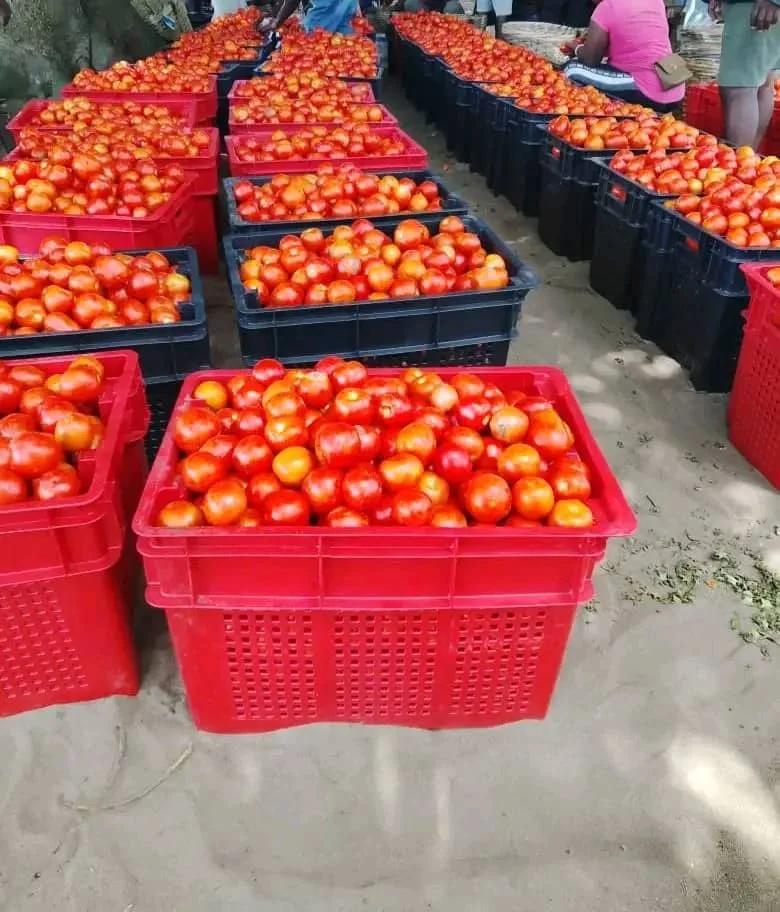
Vegetable farmers in the Anloga District of the Volta Region have called on the government to capture the establishment of a tomato processing factory in the 2027 national budget. The farmers argue that the facility is critical to addressing the persistent challenge of post-harvest losses, which often lead to financial ruin for local producers. By processing bumper harvests into value-added products, the proposed factory would provide a stable market for their perishable crops and enhance the livelihoods of thousands of smallholder farmers in the area.
Farmer Emmanuel Gbede highlighted the severe financial impact of the current situation, noting that without reliable processing facilities, excess produce frequently goes to waste during peak seasons. Many farmers are currently forced to sell their tomatoes at giveaway prices or watch them rot in the fields because of the crop's highly perishable nature. The establishment of the factory is seen as a strategic move to transform the district into a major hub for tomato production and processing, ensuring that the hard work of local farmers translates into sustainable income.
Beyond the factory itself, the farmers are advocating for a comprehensive support system to ensure the sustainability of the agricultural sector in the Volta Region. This includes requests for improved irrigation systems to enable year-round production, access to high-quality seedlings, and the provision of affordable fertilizers. These inputs are considered essential for maintaining a continuous and reliable supply of raw materials for the factory once it becomes operational.
The project is expected to yield significant economic benefits, including job creation for the youth and a reduction in Ghana's heavy reliance on imported tomato paste. Stakeholders believe that collaborative efforts between the government and the private sector are necessary to realize this vision and foster local industrial growth. If included in the upcoming budget, the factory could serve as a cornerstone for rural industrialization and food security in the region, benefiting various stakeholders across the entire agricultural value chain.
