••
National Sports Authority Cites Staffing Shortages as Pitch Quality Concerns Mount Across Ghana
•2 min read•5 sources
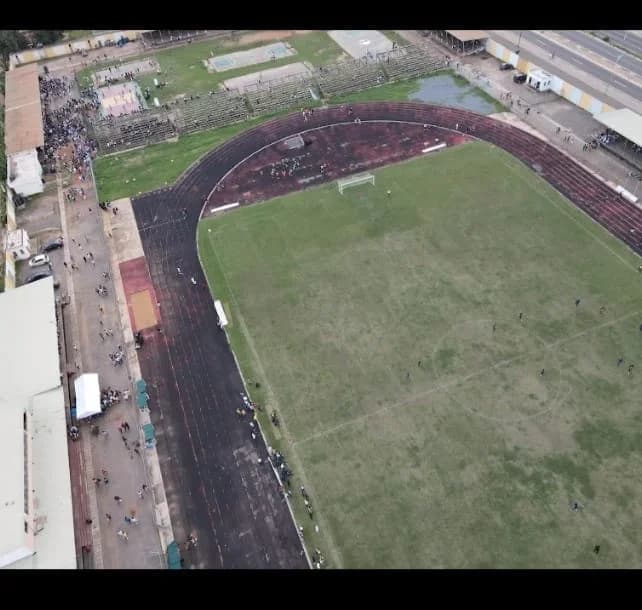
The National Sports Authority (NSA) is facing significant operational hurdles as Director-General Yaw Ampofo Ankrah reveals the organization is "100% understaffed." This admission comes amid increasing public scrutiny over the condition of Ghana's sports infrastructure. Ankrah recently clarified the status of the Accra Sports Stadium, explaining that while the facility itself remains open, the main pitch has been made unavailable to undergo essential maintenance and preparation for upcoming international events. He emphasized that the current workforce is insufficient to meet the heavy operational demands of stadium upkeep, creating a bottleneck for facility management nationwide.
The impact of these maintenance challenges is being felt directly on the field. Asante Kotoko head coach Erik Tinkler has been vocal about the poor quality of football pitches in Ghana, arguing that subpar playing surfaces actively undermine the entertainment value of the sport. Tinkler stressed that his criticisms are not excuses for team performance but rather a call for better standards, noting that uneven surfaces and inadequate drainage prevent teams from playing attractive, high-quality football. This sentiment mirrors a broader maintenance crisis in Ghanaian sports, where facilities built at great expense are often left to deteriorate, hindering the development of young talent and threatening the country's ability to host major international competitions.
Despite these infrastructural challenges, Ghana continues to see success in the realm of sports administration. The National Paralympic Committee of Ghana (NPC Ghana), led by President Samson Deen, recently celebrated the appointment of Ms. Farida Iddriss as the Secretary-General of Africa Aquatics Zone II. Iddriss, who also serves on the NPC Ghana Governing Board and leads the Para Swimming Association of Ghana, is being hailed as a significant recognition of her contributions to sports development. Her new role is viewed as a victory for women in sports and a testament to the individual expertise present within the Ghanaian sporting system.
To bridge the gap between administrative success and physical infrastructure, experts suggest that Ghana must move away from reactive maintenance and toward a sustainable, long-term strategy. While individual appointments like that of Iddriss showcase the talent in sports leadership, the physical environment remains a critical component of sports development. Establishing a robust maintenance culture, supported by adequate staffing and consistent investment, is deemed essential if Ghana is to retain its reputation as a regional sports hub and provide a safe, professional environment for its athletes.