••
Angelina Stickings Appeals for Medical Aid After Tragic Crash as Health Reports Highlight Long-Term Trauma Struggles
•2 min read•2 sources
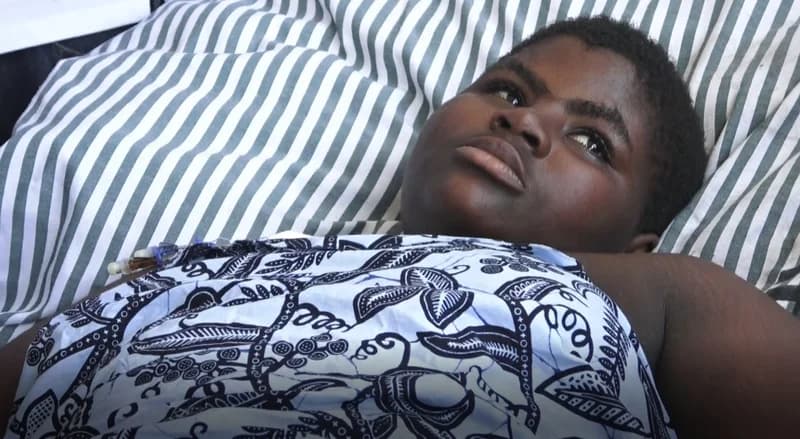
Twelve-year-old Angelina Stickings is leading an urgent appeal for medical and financial assistance following a catastrophic road accident on the Ofankor-Pokuase stretch, as health-related human interest stories continue to highlight the profound intersection of physical trauma and long-term psychological well-being in Ghana. While Stickings battles for mobility after losing her legs, other citizens are speaking out about the lifelong health consequences of childhood trauma, including profound struggles with reproductive health and the associated societal stigma. These cases underscore the diverse and often devastating challenges within the nation's health landscape.
Angelina, a survivor of a tragic chain collision on August 13, 2026, which claimed 12 lives including that of her father, is currently receiving treatment at the Greater Accra Regional Hospital. The accident, reportedly triggered by a tricycle rider, left the young girl with life-altering injuries requiring the amputation of both legs. Despite her ordeal, her brother John reports that she remains determined to return to school. However, the financial barrier to her recovery is immense; the family has already incurred costs reaching approximately GH₵200 million and is now seeking public support to acquire prosthetic limbs and cover ongoing medical expenses.
Complementing these urgent physical health needs are harrowing accounts from survivors of domestic trauma whose health impacts manifest decades later. In a separate case highlighting the complexities of reproductive health, a Ghanaian woman has shared her distressing journey of seven years of marriage without conceiving. She traces her infertility back to severe trauma experienced at the age of 12 at the hands of her father. Her story emphasizes the severe emotional pain of infertility, which is often compounded by a societal environment that unfairly places the burden of reproductive blame on women, ignoring the underlying medical and psychological scars of past abuse.
These cases illustrate a critical need for enhanced support systems within Ghana’s health and social sectors to handle both emergency trauma and long-term wellness. The National Road Safety Authority has confirmed that police investigations into the Ofankor-Pokuase crash are ongoing, with efforts being directed toward providing psychological and financial aid to survivors. Meanwhile, the growing visibility of infertility struggles calls for a more empathetic healthcare approach. Collectively, these stories advocate for a robust response from both the state and the public to ensure that survivors of health crises, whether physical or emotional, receive the holistic care and financial backing they require.
