••
André Ayew addresses future in football administration on Obi One Podcast
•2 min read•3 sources
Former Black Stars captain André Ayew has spoken out on a range of issues affecting Ghanaian football, including his potential future role in the sport's administration and the treatment of national team veterans. Speaking on the Obi One Podcast, hosted by former Chelsea midfielder John Obi Mikel, Ayew offered a candid assessment of the systemic challenges facing the sport in Ghana and shared insights from his own journey navigating the transition from player to potential leader.
A significant portion of the conversation focused on the perceived marginalisation of experienced players. Ayew expressed concern that veteran players who wield influence within the national team are often viewed as threats rather than assets. "When you become powerful in the dressing room, they sideline you," Ayew remarked, suggesting that football authorities sometimes push out senior figures to maintain control. He emphasised that national team legends should not have to petition for recognition, arguing that their years of service and knowledge deserve automatic respect and a place in the sport's future development.
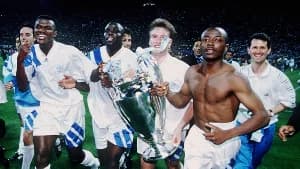
Regarding the Ghana Football Association (GFA) presidency and other administrative paths, Ayew acknowledged the possibility of a future in football management. He highlighted the need for structural changes to address the current difficulties within the Ghanaian game. The discussion also delved into his family’s footballing pedigree, with Ayew defending the legacies of his peers and his father, Abedi Pelé. He sparked debate by claiming his father was the first African to win the UEFA Champions League, framing the 1993 Marseille victory as a foundational moment that paved the way for African talent in Europe.
Ayew’s comments arrive at a time when the direction of the Black Stars and the GFA's leadership are under significant public scrutiny. By highlighting a culture of "sidelining" influential players, Ayew has brought attention to what he describes as the sabotage of veteran careers. As he moves toward the latter stages of his playing days, his public discourse suggests a strong interest in remaining a central figure in Ghanaian football, potentially shifting his influence from the pitch to the boardroom to advocate for the rights and recognition of players.
