••
African National Congress secures record low 30.76% in local elections
•2 min read•3 sources
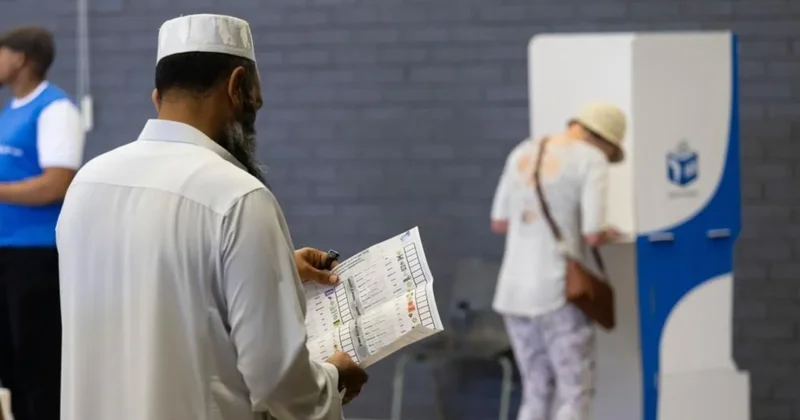
The African National Congress (ANC) has recorded its lowest-ever electoral performance in South Africa’s local government elections, securing only 30.76% of the national vote. This result marks a steep decline from the 46% the party garnered in 2021 and represents a seismic shift in the country's political landscape. For the first time since the end of apartheid, the party that led the liberation struggle has seen its dominance severely eroded, forcing it into a position where it must negotiate with rivals to maintain local governance.
The election results show the Democratic Alliance (DA) maintaining its position as the primary opposition with 24.64% of the vote, while former President Jacob Zuma’s MK party emerged as a significant third force. The ANC’s decline was particularly evident in regional strongholds; the party retained majority control in only one of the country’s nine provinces—Limpopo—down from six previously. Furthermore, the ANC secured majorities in only two of South Africa's eight major metropolitan areas, as voters in urban centers increasingly turned toward alternative parties or independent candidates.
Voter turnout rose to 52.29%, a six-point increase from 2021, suggesting that citizens were motivated to head to the polls to express their dissatisfaction. Analysts attribute the ANC’s poor showing to deep-seated frustrations over persistent corruption scandals, high unemployment rates, and the failure of municipal governments to provide basic services like water and electricity. President Cyril Ramaphosa has acknowledged the results, urging political leaders to prioritize the needs of communities as the country enters a new era of multi-party governance.
The lack of a clear majority in most municipalities has set the stage for complex and potentially volatile coalition negotiations. With major cities now requiring power-sharing agreements, smaller parties are expected to play kingmaker roles in determining who governs South Africa's economic hubs. Political observers suggest this catastrophic result for the ANC signals the definitive end of single-party dominance and will significantly reshape the party’s strategy and leadership dynamics ahead of the 2029 national elections.
