••
ANC faces record low 32% support in South African local elections
•2 min read•1 source
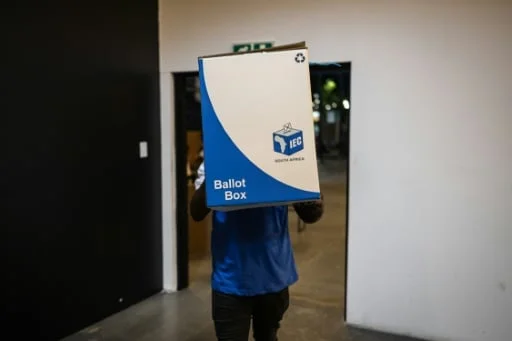
The African National Congress (ANC) is on track to record its poorest performance in South Africa's democratic history following recent local government elections. With approximately half of the ballots counted, the ruling party is projected to secure only 32% of the national vote share. This downward trend marks a significant departure from the party's historical dominance, falling below the 50% threshold for the first time in 2021 and now plummeting even further in the latest polls.
The projected outcome highlights a dramatic decline for the movement once led by Nelson Mandela, which enjoyed nearly 70% support as recently as 2004. In the current race, the main opposition party, the Democratic Alliance (DA), trails the ANC with approximately 26.3% of the vote. Voter turnout for the municipal elections stood at 54.5%, reflecting a mix of apathy and active protest against the status quo in a country grappling with economic challenges and service delivery failures.
Public dissatisfaction with the ANC, currently led by President Cyril Ramaphosa, has been fueled by persistent reports of municipal mismanagement and high-level corruption. Voters in various municipalities have expressed frustration over the lack of basic services, including water and electricity, as well as the slow pace of economic reform. This sentiment has increasingly translated into a loss of support for the ruling party, which has governed South Africa since the end of apartheid in 1994.
Final results are expected to be announced this Sunday, after which the political landscape is likely to shift toward intense coalition negotiations. As no single party appears poised to secure an outright majority in several key councils, the ANC will likely be forced to partner with smaller entities to maintain governance. These results are seen as a critical barometer for South Africa’s political future, signaling significant shifts in voter sentiment ahead of the 2029 general election.