••
ANC falls to record low 30.76% in South African municipal elections
•2 min read•2 sources
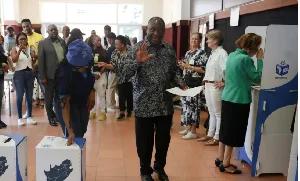
The African National Congress (ANC) has recorded its poorest performance in a municipal election since the end of apartheid, securing only 30.76% of the national vote. This historic slump has forced the party into complex coalition negotiations across South Africa as it failed to secure outright majorities in many key municipalities. The Democratic Alliance (DA), the ANC’s primary opposition, followed with approximately 25% of the total vote share with 99% of ballots counted.
The result marks a significant turning point in South African politics, reflecting growing public dissatisfaction with the ruling party. Voter turnout for the local government elections stood at 52%, an increase from the previous election. Despite the nationwide decline for the ruling party, the Democratic Alliance maintained its stronghold by securing an outright majority in Cape Town. However, most other major metropolitan areas remain in a state of political flux, with no single party commanding enough seats to govern alone.
Political analysts attribute the ANC's decline to persistent national challenges, including high unemployment rates, rising crime, and failures in basic service delivery. These issues have eroded the traditional support base of the party that has governed South Africa for three decades. In response to the results, President Cyril Ramaphosa emphasized the need for parties to prioritize community needs during negotiations and acknowledged the shortcomings in governance that influenced the voters' decisions.
The focus now shifts to the formation of municipal councils, which must be established within tight statutory deadlines. The ANC faces the daunting task of negotiating with smaller parties to form stable local governments, a process that could redefine political alliances in the country. The outcome of these talks will be crucial for the delivery of essential services and the political stability of South Africa's major urban centers heading toward future national elections.
