••
Nana Dr. Antwi-Boasiako Amoah calls for local climate action in Liberia
•2 min read•1 source
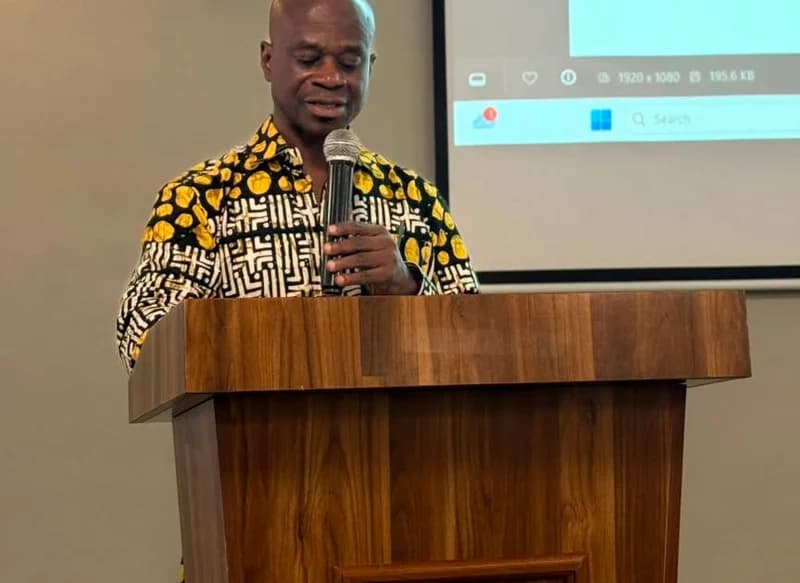
Nana Dr. Antwi-Boasiako Amoah, Chair of the African Group of Negotiators (AGN), has called for a strategic shift from international climate diplomacy to local implementation. Speaking at a high-level meeting in Liberia, Dr. Amoah highlighted a critical gap between global environmental agreements and the practical needs of local communities. He emphasized that the success of climate policies depends on their ability to reach and empower people at the grassroots level, rather than remaining confined to diplomatic circles.
Dr. Amoah argued that there is a significant disconnect between high-level negotiations and actionable change on the ground. He urged national governments to translate their international commitments into concrete guidance that can be integrated into district-level planning. According to the AGN Chair, for climate governance to be effective, it must move beyond rhetoric and provide the technical and financial support necessary for local citizens to lead adaptation and mitigation efforts within their own jurisdictions.
The meeting in Liberia served as a platform for African leaders to align their diplomatic goals with the lived realities of their populations. As the continent prepares for upcoming global climate summits, including COP31 and COP32, the AGN is pushing for a framework that prioritizes community engagement. Dr. Amoah stressed that without empowering local districts, global targets will remain largely symbolic and fail to address the immediate vulnerabilities of African communities.
This call for local empowerment comes at a pivotal time as Africa seeks to solidify its position in global climate negotiations. By advocating for a bottom-up approach, the AGN aims to ensure that future climate finance and technical assistance are directed toward the most vulnerable areas. The focus remains on bridging the implementation gap to ensure that international climate resolutions result in measurable improvements in local resilience and environmental sustainability across the continent.
