••
Amelley Djosu calls for cultural shift in Ghana's creative industry
•2 min read•1 source
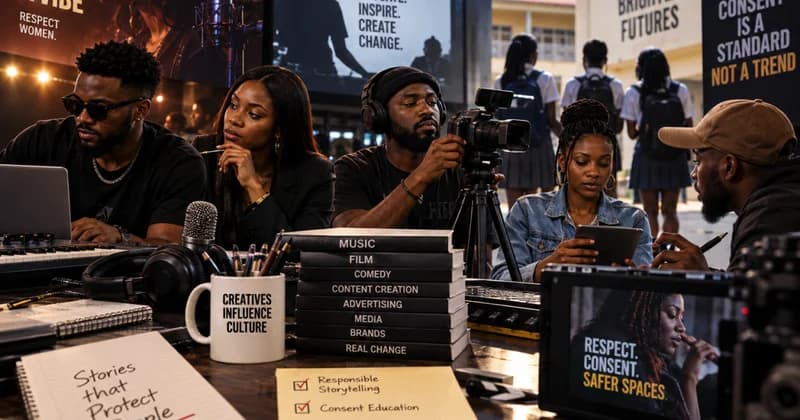
Ghanaian writer Amelley Djosu has called on the media and creative industries to reassess their role in shaping societal attitudes toward sexual abuse. Her intervention follows reports of alleged sexual abuse involving 19 students at Obuasi Senior High Technical School, a case that has sparked a national conversation about the safety of young people and the integrity of protective systems within educational institutions. Djosu argued that the creative sector bears a unique responsibility in these matters as it heavily influences how consent and authority are perceived by the public.
Djosu emphasized that while the immediate focus often rests on the legal and educational repercussions for perpetrators, the media often inadvertently creates a culture where abuse is excused. By failing to challenge harmful narratives or by glamorizing power imbalances, she noted that the industry can normalize behavior that leads to exploitation. The writer urged creatives to use their platforms to prioritize the safety of young individuals and to promote stories that emphasize bodily autonomy and clear consent rather than reinforcing traditional power structures.
Addressing the broader implications of the Obuasi allegations, Djosu noted that the discourse must extend beyond schools to encompass all institutions that shape cultural values. She called for a systematic overhaul of how allegations are handled, moving beyond reactive measures to proactive prevention. This includes ensuring that investigations are conducted with sincerity and that those in positions of authority who misuse their power are held accountable without the protection of institutional bias.
In her concluding remarks, Djosu called for a collaborative effort involving parents, schools, and state institutions to foster a safer environment for the youth. She stressed that cultural change is a necessary prerequisite for effective legal and institutional protection against sexual violence. The ongoing debate serves as a reminder that the creative industry must be intentional about the narratives it produces if Ghana is to dismantle the underlying social structures that allow abuse to persist.