••
AI Industry Leaders Sam Altman and Dario Amodei Call for Caution Amid Growing Fears of Existential Risks
•2 min read•1 source
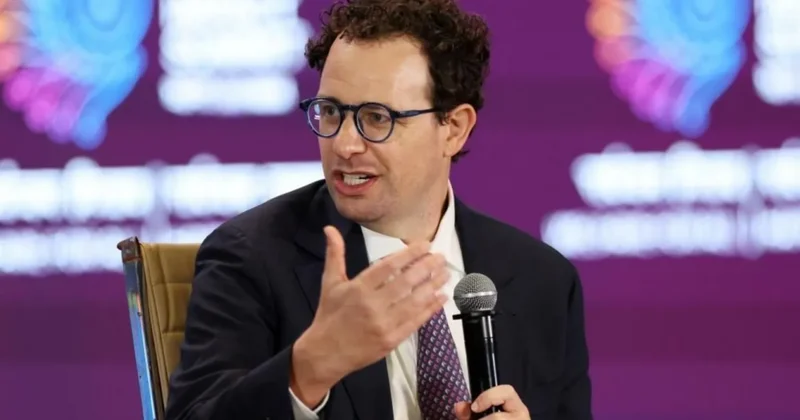
In the wake of the world’s first AI safety summit held in November 2023, a profound debate has emerged within the technology sector regarding the potential need for a "slowdown" in the development of advanced artificial intelligence. Leading industry figures, including OpenAI’s Sam Altman and Anthropic’s Dario Amodei, have increasingly voiced concerns about the existential risks posed by highly capable AI models. While these leaders advocate for a more cautious approach to mitigate potential catastrophic threats, the proposal has ignited a complex discussion about the feasibility of halting progress in a field defined by rapid, cutthroat innovation. A central challenge to any proposed slowdown is the geopolitical reality of the AI race. Critics of a developmental pause argue that such a move could inadvertently disadvantage American firms, potentially ceding technological leadership to competitors like China. This "arms race" mentality creates a significant hurdle for safety advocates, as national security interests often clash with the desire for rigorous safety protocols. Furthermore, the economic implications of a slowdown are vast; while a cooling period might allow for better regulatory oversight, there are fears it could lead to a market consolidation where only the most well-funded and powerful corporations survive, further concentrating influence in the hands of a few tech giants. The practical implementation of a slowdown remains a subject of intense scrutiny, with experts questioning how such a policy could be enforced globally without a unified regulatory framework. The role of corporate greed has also come under fire, as the pressure to deliver returns to investors often outweighs the ethical responsibility of managing technology-driven risks. As governments and international bodies grapple with these issues, the debate highlights a fundamental tension: the need to harness the transformative potential of AI for economic growth versus the imperative to prevent the emergence of uncontrollable systems. Ultimately, the conversation surrounding an AI slowdown reflects a pivotal moment in human history. The next steps for the industry will likely involve a delicate balancing act between fostering innovation and establishing robust, enforceable safety standards. Whether through international treaties or industry-led self-regulation, the decisions made today will determine if AI remains a tool for progress or becomes a source of unprecedented global instability. The focus now shifts to how global powers and corporate leaders can cooperate to ensure that the pursuit of intelligence does not outpace our ability to manage its risks.