••
Aliko Dangote expresses regret over purchasing private jet before age 23
•2 min read•2 sources
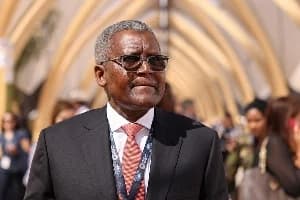
Aliko Dangote, Africa's richest man and founder of the Dangote Group, has reflected on his early financial journey, expressing regret over what he describes as extravagant spending during his youth. Speaking on the lessons learned while building his business empire, the Nigerian billionaire revealed that despite his immense success early in life, he succumbed to the allure of luxury items that he now views as unnecessary expenditures. His reflections serve as a cautionary tale for young entrepreneurs and individuals who find themselves coming into significant wealth.
The business mogul disclosed that he acquired his first private aircraft before he had even reached the age of 23. In addition to the private jet, Dangote admitted to owning a fleet of 27 cars during his younger years. He noted that while these acquisitions were possible due to his early profitability in trade and industry, they did not align with the principles of financial prudence that he now champions. By sharing these personal anecdotes, Dangote highlights the distinction between generating wealth and the discipline required to manage and sustain it over the long term.
Addressing the culture of immediate gratification often seen among newly successful individuals, Dangote cautioned against the urge to spend lavishly as soon as financial milestones are met. He emphasized that reinvesting capital into business growth and maintaining a focus on long-term sustainability is far more beneficial than the short-term status symbols provided by luxury goods. According to the billionaire, the pressure to maintain a certain lifestyle can often drain the resources needed to scale operations and withstand economic fluctuations.
Dangote's candid admission comes at a time when financial literacy and responsible wealth management are increasingly discussed within the African business landscape. As a figure who has successfully transitioned from a commodity trader to an industrialist with interests spanning cement, sugar, and oil refining, his advice carries significant weight. His current stance prioritizes industrialization and job creation over personal luxury, suggesting that the true measure of success lies in the impact of one's business on the broader economy rather than the size of a personal car collection.