••
Lamu Island Faces Development Dilemma as Nigerian Billionaire Aliko Dangote Plans $16 Billion Oil Refinery
•2 min read•1 source
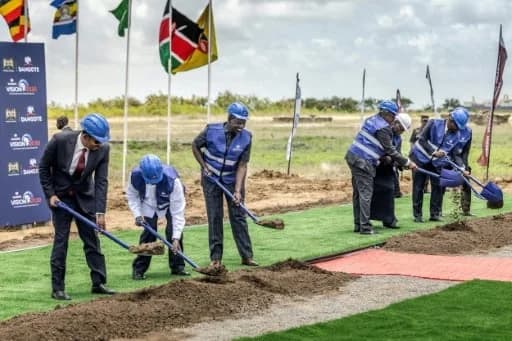
Lamu, the picturesque Kenyan island renowned for its rich cultural heritage and thriving tourism industry, is at the center of a growing conflict between economic industrialization and environmental conservation. The site has been selected for Africa's second-largest oil refinery, a massive $16 billion project backed by Nigerian billionaire Aliko Dangote. Recognized as Kenya’s largest industrial venture to date, the refinery promises to transform the regional economy but has sparked intense debate over its potential impact on a fragile coastal ecosystem that has sustained local communities for generations.
The project has elicited a complex range of reactions from the residents of Lamu. While some locals look toward the refinery as a beacon of hope for job creation and infrastructure development, others have organized protests to voice their opposition. These critics argue that the project has lacked sufficient community consultation and poses an existential threat to the island's unique environment. Concerns are particularly high regarding the potential degradation of marine life and the traditional livelihoods of fishers and tour guides who depend on the pristine nature of the coast.
In response to the mounting tension, Kenyan President William Ruto has sought to reassure the public by pledging to protect community rights and ensure that rigorous environmental impact studies are conducted. However, a deep sense of skepticism remains among the island's inhabitants. Many fear that the promised economic benefits will primarily favor outside interests and large corporations, leaving the local population to bear the environmental costs without receiving a fair share of the wealth generated by the refinery.
As the project moves forward, the situation in Lamu represents a broader challenge facing many African nations: balancing the urgent need for large-scale industrial investment with the preservation of cultural landmarks and natural resources. The outcome of the Lamu refinery project will likely serve as a significant case study for how modern development interacts with UNESCO World Heritage sites and the rights of indigenous coastal communities. Whether the "island paradise" can coexist with a mega-refinery remains a question that will shape Kenya's economic and environmental landscape for decades.