••
Dr. Ali Samba urges expanded contraceptive access beyond Accra
•2 min read•1 source
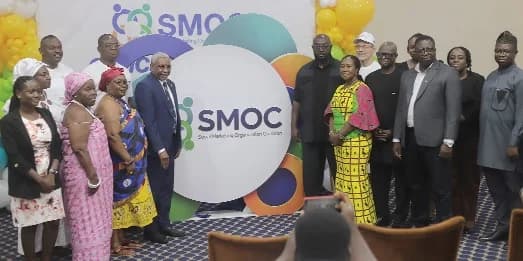
Dr. Ali Samba, an Obstetrician Gynaecologist at the Korle Bu Teaching Hospital, has called for a national effort to encourage contraceptive use to ensure equitable health outcomes for women. Speaking at the launch of the Social Marketing Organisation Coalition (SMOC), he emphasized that the availability of affordable, quality contraceptive products must be expanded beyond the capital city to reach all regions of the country. Dr. Samba noted that reliable access to these services is essential for preventing unplanned pregnancies and ensuring proper birth spacing, which significantly improves maternal and child health.
According to Dr. Samba, improving the reach of contraceptive products is a vital step in reducing the prevalence of unsafe abortions. By providing women with the tools to manage their reproductive health safely, the healthcare system can prevent many of the complications and fatalities linked to clandestine procedures. He urged stakeholders to prioritize the distribution of these commodities to underserved areas, ensuring that location does not remain a barrier to essential healthcare services.
The launch also featured contributions from Dr. Edward Agyekum of the Ministry of Health and Joseph Addo Yobo from the Total Family Health Organisation, both of whom urged the new coalition to uphold high standards of quality and accountability. They highlighted the importance of efficiency, particularly as international donor resources for reproductive health continue to decline. The officials stressed that social marketing organisations must be prepared to fill the gap left by dwindling external funding through sustainable and transparent operations.
Emmanuel Kuffour of the AYA Collective reiterated the coalition’s vision of ensuring that every individual in Ghana has access to affordable reproductive health products. By fostering collaboration through SMOC, the member organisations aim to streamline the supply chain and ensure that life-saving commodities are consistently available. This initiative aligns with broader national goals to achieve universal health coverage and protect the reproductive rights of all citizens, regardless of their socio-economic status or geographical location.