••
Algerian parliament ratifies troop deployment to protect Niger pipeline
•2 min read•1 source
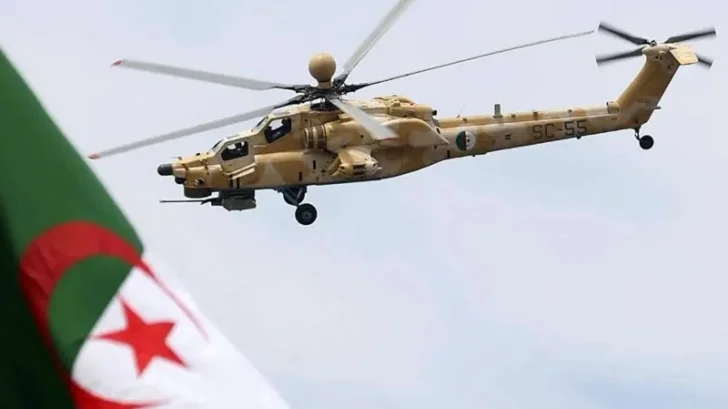
Algeria’s parliament has officially ratified the deployment of armed forces to northern Niger, marking the nation's first foreign military mission in over five decades. This significant policy shift is specifically designed to safeguard Algeria’s strategic economic interests, with a primary focus on securing the Trans-Saharan Gas Pipeline. The decision comes at a time of shifting geopolitical dynamics in the Sahel region, as traditional Western military presence diminishes and local security challenges escalate. The move is considered a historic turning point, representing Algeria's first external military action since 1973. For decades, the North African nation has maintained a strict policy of non-intervention, rarely projecting power beyond its borders. However, the withdrawal of French and other Western forces from the Sahel has created a security vacuum that Algiers now seeks to address. This deployment follows a period of diplomatic recalibration between Algiers and Niamey; despite earlier tensions, relations have warmed significantly since the military coup in Niger, paving the way for this unprecedented security cooperation. The Trans-Saharan Gas Pipeline is a vital piece of infrastructure for Algeria's energy export ambitions, and its protection is viewed as a matter of national economic security. The success of this mission will largely depend on the Algerian military's ability to navigate the complex security landscape of northern Niger without becoming entrenched in the region's broader counterinsurgency struggles. By limiting the scope of the mission to infrastructure protection, Algeria aims to balance its immediate security requirements with its long-standing historical preference for avoiding complex foreign entanglements.