••
Algeria approves troop deployment to Niger to protect energy facilities
•2 min read•2 sources
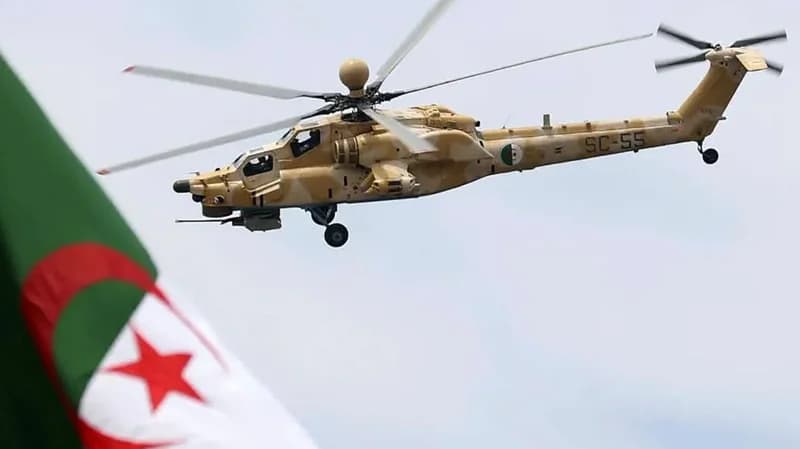
Algeria's parliament has officially approved the deployment of military forces to Niger, marking the North African nation's first foreign military mission in over five decades. This significant shift in Algeria’s long-standing policy of non-interference follows a 2020 constitutional amendment that allows for military action abroad under specific security conditions. The decision is the first of its kind since 1973 and comes amid growing concerns over regional stability and the safety of shared economic interests.
The primary objective of the mission is to protect vital energy infrastructure and secure the border region against escalating threats from armed groups, including those linked to al-Qaeda and ISIS. A central focus of this deployment is the Trans-Saharan Gas Pipeline, a major energy project that Algeria seeks to safeguard from sabotage. Lawmakers have emphasized that the deployment is intended for security and protection rather than active warfare, with troops expected to operate at facilities located near the Libyan border to deter cross-border crime and jihadist incursions.
Diplomatic relations between Algeria and Niger have improved recently, highlighted by a high-level visit from Niger’s defense minister to Algiers. President Abdelmadjid Tebboune has underscored the importance of supporting Niger as it faces intense geopolitical pressures and internal security challenges. The unanimous support from Algerian lawmakers indicates a strategic consensus that stabilizing Niger is essential for Algeria's own national security, particularly in preventing the spillover of violence from the volatile Sahel region.
This proactive military stance signals a new era in Algerian foreign policy, prioritizing regional security cooperation to defend strategic assets. By deploying troops, Algeria aims to reinforce its role as a regional anchor and ensure that ongoing energy projects remain viable despite the presence of extremist groups. The mission is seen as a calculated step to address the vacuum of security in the border areas while fostering stronger bilateral ties with the government in Niamey.
