••
Algerian Lawmakers Approve Death Penalty for Forest Arsonists and Child Kidnappers Following Deadly Wildfires
•2 min read•2 sources
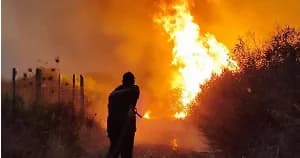
Algeria’s National Assembly has adopted a rigorous new law that introduces the death penalty for individuals convicted of deliberately starting forest fires. This legislative move comes in the wake of devastating wildfires that recently claimed at least 12 lives and caused widespread environmental destruction across the country. The law was championed by the ruling coalition as a necessary deterrent against what officials describe as increasingly organized and lethal acts of arson. Under the new provisions, the scope of capital punishment has also been expanded to include child kidnapping cases involving torture or sexual assault, reflecting a broader government crackdown on violent crime.
Justice Minister Lotfi Boudjemaa defended the measure during the legislative session, emphasizing that the severity of the punishment is commensurate with the threat posed by organized arson networks. The government has previously suggested that some of the forest fires may have been coordinated by entities with foreign ties, though specific details regarding these connections remain limited. Despite the gravity of the recent disasters, the bill faced pushback from some opposition parties within the assembly, who questioned the efficacy of capital punishment as a solution to environmental and security challenges.
International human rights organizations have also raised concerns regarding the legislative shift. Amnesty International criticized the law as a regressive step, urging the Algerian government to reconsider the use of the death penalty. The organization argued that instead of harsher sentencing, the state should focus on improving preventive measures, early detection systems, and firefighting infrastructure to mitigate the impact of future seasonal blazes. Critics suggest that the focus on punishment may distract from the underlying climate and logistical factors that contribute to the severity of Algeria's wildfire seasons.
Following its passage in the National Assembly, the bill now moves to the Senate for further review. Should it receive the upper house's approval, it will be sent to President Abdelmadjid Tebboune for final ratification. If signed into law, the move would mark a significant expansion of capital crimes in Algeria, signaling a hardline approach to both environmental security and public safety. The international community continues to monitor the situation as the country balances domestic security demands with global human rights standards.