••
Algeria Proposes Death Penalty for Arsonists and Abductors Following Devastating Wildfires
•2 min read•1 source
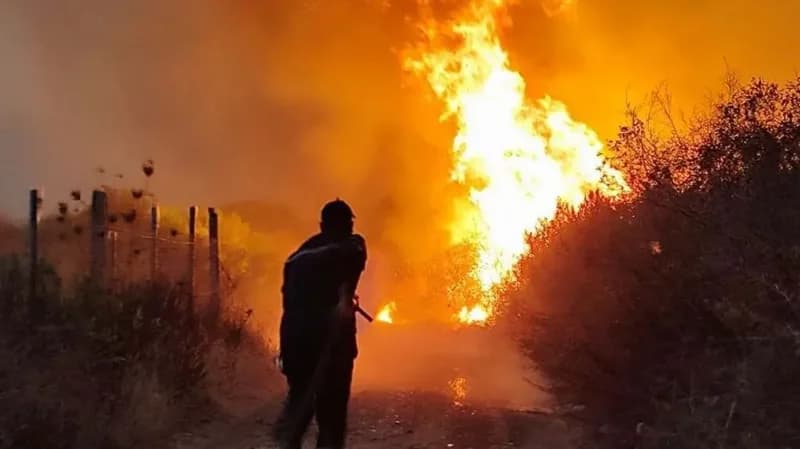
Algeria’s National Assembly has passed a significant legislative amendment to institute the death penalty for individuals convicted of setting fire to forests or fields. This move comes in direct response to a series of devastating wildfires that have ravaged the country during extreme heatwaves, threatening both environmental stability and public safety. The new law also extends the application of capital punishment to cases of child abduction involving severe abuse, such as torture or sexual assault. President Abdelmadjid Tebboune ordered the legal overhaul as part of a broader crackdown on crimes that the government believes have reached a level of national emergency. The push for harsher penalties follows a harrowing season of wildfires that resulted in a tragic loss of life and extensive property damage. While the Algerian government officially reported 12 deaths from recent blazes, independent sources suggest the actual toll could be as high as 200 fatalities. Justice Minister Lotfi Boudjemaa has defended the severity of the legislation, arguing that arson has evolved into a form of organized crime. He further suggested that some of these incidents may be linked to foreign entities intent on destabilizing the region, especially as climate change makes the Mediterranean landscape more susceptible to rapid-fire spread. Despite the presence of the death penalty in Algeria's penal code for various crimes, the country has maintained a moratorium on its application for over three decades; the last execution took place in 1993. The newly approved bill must now undergo review by the Council of the Nation, the parliament's upper house, before it reaches President Tebboune for final ratification. Supporters of the bill argue that the extreme nature of recent forest fires and the rise in reported child abductions require a deterrent of the highest order to protect vulnerable populations and natural resources. As Algeria moves toward ratifying these changes, the international community and human rights observers are closely watching the potential end of the long-standing moratorium on executions. The legislation highlights the government's dual focus on addressing domestic security concerns and responding to the escalating threats posed by climate-induced disasters. With summer temperatures reaching record highs across North Africa, the implementation of these laws marks a pivot toward more punitive measures in the state's strategy for disaster prevention and criminal justice reform.