••
KGL Group Chairman Alex Apau Dadey Proposes "New Social Contract" Between African Media and Indigenous Businesses
•3 min read•2 sources
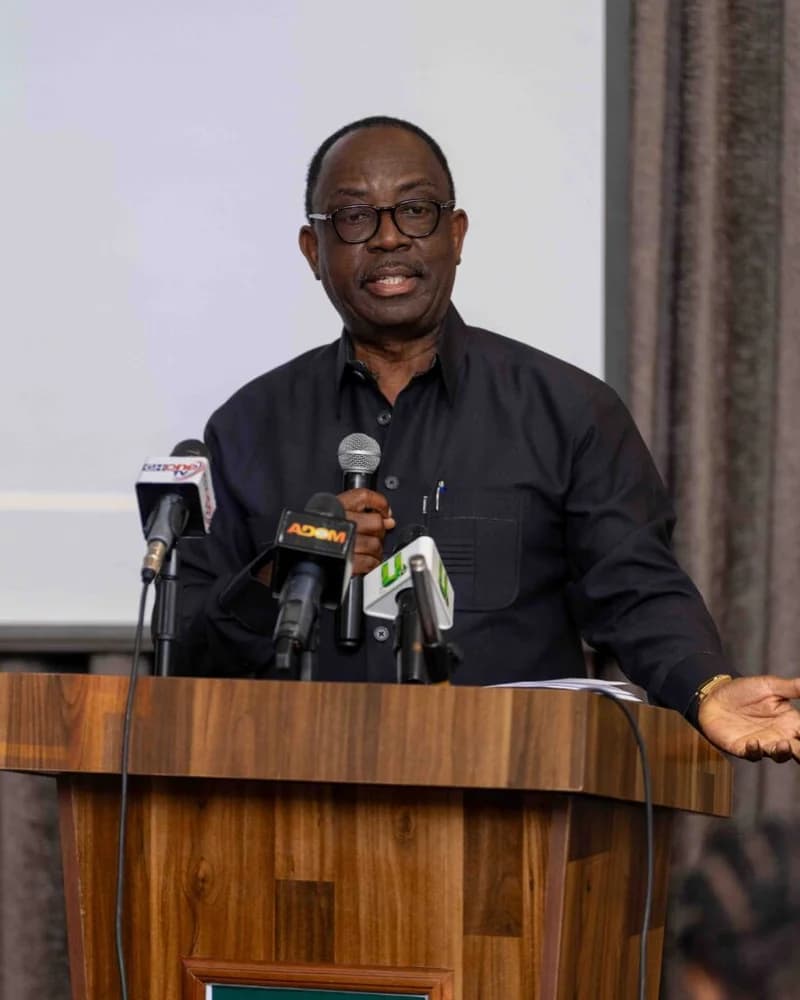
Alex Apau Dadey, the Executive Chairman of KGL Group, has issued a powerful call for a fundamental shift in the relationship between the media and the private sector across the continent. Speaking during a keynote address at the Federation of African Journalists (FAJ) Steering Committee meeting at the Fiesta Royal Hotel, Dadey advocated for a "new social contract" where journalism moves beyond traditional scrutiny of power to actively co-creating success stories. He urged the media to foster a supportive ecosystem for indigenous businesses, arguing that a posture of suspicion often stifles the very growth Africa needs to achieve economic transformation and global competitiveness.
The KGL Group chairman’s vision is rooted in a deep personal and historical connection to the media industry. He revealed that his late father-in-law served as the first director of the Ghana Institute of Journalism (GIJ) and was the press secretary to Ghana’s first President, Osagyefo Dr. Kwame Nkrumah. This legacy of responsible journalism informs Dadey's personal pledge to support the media, though he challenges the industry to adapt to the modern era of digitization. He questioned whether the historical focus on scrutiny might be hindering progress, suggesting that African journalism should instead emulate international powerhouses like Forbes and The Economist, which highlight corporate success as a means of driving wealth.
Addressing the tension between accountability and suspicion, Dadey argued that business "champions" should not be treated as threats to be contained. Instead, he posited that journalists and corporate leaders share a collective responsibility to build "African champions"—large, transgenerational conglomerates capable of driving innovation and job creation. By shifting the narrative from one of containment to one of partnership, Dadey believes the media can help transition Africa from being a mere consumer of global wealth to becoming a significant builder of it. He emphasized that this collaboration is essential for the continent to develop the large-scale enterprises required to compete on the world stage.
Ultimately, Dadey’s message serves as a challenge to today’s corporate and media leaders to prioritize the long-term economic health of the continent over short-term adversarial roles. He stressed that while governance and accountability remain crucial, they should not come at the expense of undermining productive indigenous enterprises. As Africa continues to navigate an increasingly complex global economy, Dadey maintains that the success of the private sector and the integrity of the media are inextricably linked, forming the dual pillars upon which the continent's future prosperity must be built.