••
KGL Group Chairman Alex Apau Dadey Calls for African Media to Partner with Indigenous Business Champions
•2 min read•2 sources
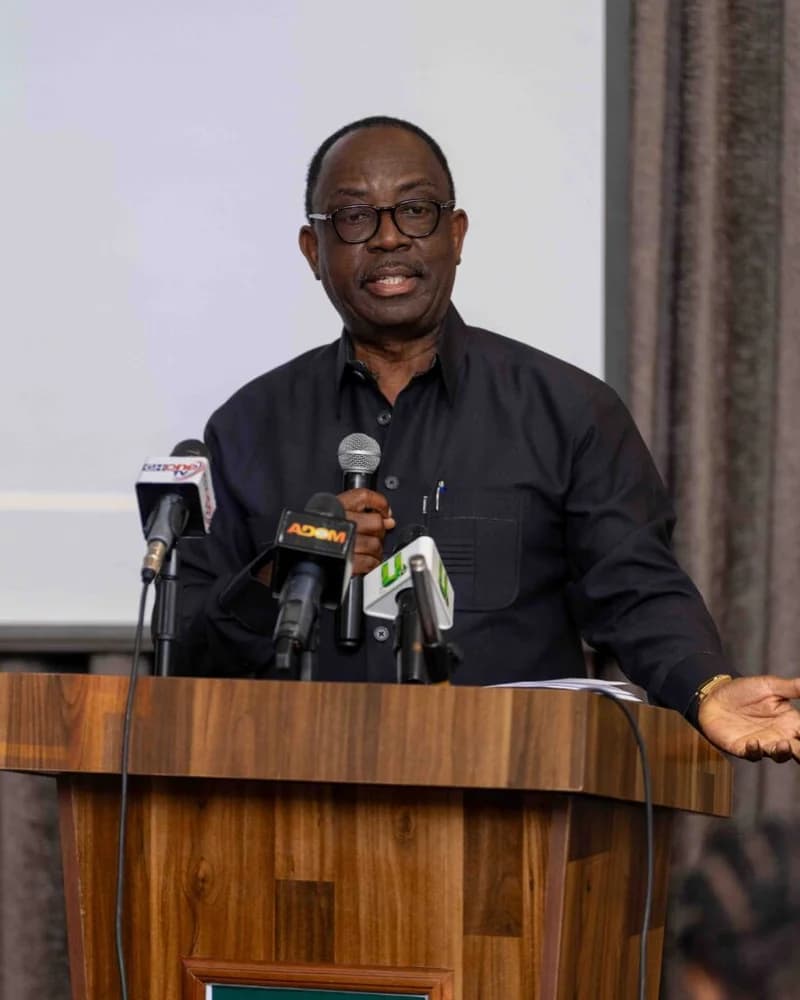
Alex Apau Dadey, the Executive Chairman of KGL Group, has issued a powerful call to action for African journalists, urging them to pivot from a culture of suspicion toward one of partnership with indigenous businesses. Speaking at a keynote address during the Federation of African Journalists (FAJ) Steering Committee meeting, Dadey emphasized that the traditional media focus on containment and scrutiny of successful enterprises often hinders Africa's economic progress. He argued that for the continent to truly transform, the media must serve as a supportive ecosystem that fosters the growth of "business champions" rather than treating them as threats to be dismantled. Dadey’s perspective is rooted in a deep personal and historical connection to the media. He shared that his commitment to reframing African journalism is inspired by his family’s legacy, notably his late father-in-law, who served as the Press Secretary to Ghana’s first president, Dr. Kwame Nkrumah. This heritage of responsible journalism, he noted, provides a foundation for his vision of a modern media landscape that balances accountability with the shared goal of national and continental prosperity. He challenged today’s journalists to move beyond mere watchdog roles and become active participants in the narrative of Africa's development. The KGL Chairman highlighted a critical choice facing the continent: whether to remain a market of consumers or to become builders of global wealth. To achieve the latter, Dadey advocated for a "co-creation" model similar to those employed by international outlets like Forbes and The Economist, which highlight business success as a catalyst for growth. He stressed that African media should help nurture transgenerational conglomerates and indigenous enterprises, which are vital for job creation and innovation. By shifting the paradigm from skepticism to collaboration, the media can help build the wealth-creation infrastructure Africa desperately needs. In his concluding remarks, Dadey warned that undermining productive local enterprises only serves to stifle the continent's potential. He called for responsible corporate governance to be met with responsible journalism, creating a symbiotic relationship that drives Africa’s economic transformation. As the continent seeks to become more globally competitive, Dadey framed this shift as a collective responsibility for current corporate and media leaders, ensuring that the next generation inherits an environment where innovation and indigenous wealth are celebrated as pillars of progress.