••
Alban Bagbin refers AKSA Energy bribery allegations to Special Prosecutor
•2 min read•3 sources
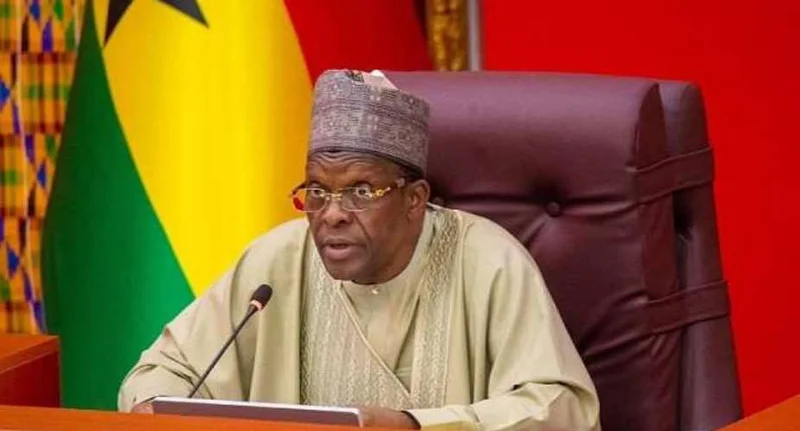
The Speaker of Parliament, Alban Bagbin, has directed that allegations of a US$46,000 bribery payment linked to the 2015 AKSA Emergency Power Agreement be referred to the Office of the Special Prosecutor (OSP). The referral follows an internal parliamentary review into claims that payments were made to influence the approval of the deal by members of the House, particularly those on the Energy Committee. While the internal investigation found no direct evidence of misconduct by lawmakers or parliamentary staff, Speaker Bagbin emphasized that an independent probe is necessary to ensure full transparency and public accountability.
The allegations at the center of the referral stem from a legal case in the United States involving Asante Kwaku Berko, a former Managing Director of the Tema Oil Refinery (TOR) and a former employee of Goldman Sachs. Mr. Berko was previously charged by U.S. authorities for his alleged role in facilitating bribes to Ghanaian officials to secure government approval for the AKSA energy project. Although the internal parliamentary report did not find a paper trail linking current or former legislators to the funds, the Speaker cautioned that these findings should not be treated as a conclusive determination of innocence for all parties involved.
Speaker Bagbin noted that the move to involve the Special Prosecutor is aimed at assisting ongoing criminal investigations and clearing the air surrounding potential improper payments. He reiterated that the integrity of Parliament must be protected, especially regarding high-value power sector contracts. The AKSA agreement was originally signed during a period of acute electricity shortages in Ghana, known as 'dumsor,' and has remained a subject of intense public scrutiny due to the scale of the emergency power contracts signed during that era.
The Office of the Special Prosecutor is now expected to review the parliamentary report and determine whether there is sufficient evidence to pursue criminal charges or further interrogations. This development comes amid renewed public interest in anti-corruption efforts within the energy sector, as the state continues to evaluate the financial and legal implications of various power purchase agreements entered into over the last decade.
