••
Akosombo Dam communities urge government to lift compensation embargo
•2 min read•1 source
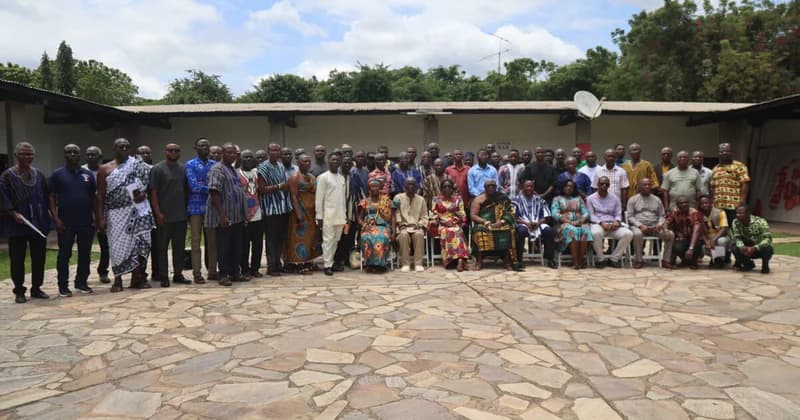
Representatives from 52 communities affected by the construction of the Akosombo Hydroelectric Dam have called on the government to lift an embargo on compensation payments and expedite the resettlement process. During a recent stakeholder meeting, community leaders expressed their grievances regarding the prolonged delays in receiving funds intended to compensate for the loss of their lands and cultural heritage. They emphasized that while the compensation process officially commenced in 2008, significant lapses and administrative hurdles have left many families without their rightful disbursements.
The affected communities are advocating for a thorough cleanup of the existing compensation framework to ensure that payments are made directly to the legitimate landowners. The leaders pointed out that the current embargo on payments has stalled progress for years, preventing the resolution of claims that date back decades. They argued that the destruction of ancestral sites and the displacement of thousands of residents for the nation's energy needs require a more urgent and transparent response from the state to address these historical injustices.
While the Volta River Authority (VRA) has reportedly increased its funding for various resettlement projects, community representatives insist that these measures are insufficient to address the core issue of individual financial compensation. The stakeholders noted that the intermittent nature of the payments since 2008 has created uncertainty and hindered the socio-economic recovery of the displaced populations. They are now urging the government to prioritize the removal of bureaucratic bottlenecks that have historically plagued the compensation scheme.
The resolution of these outstanding claims is seen as a critical step toward fulfilling the government's obligations to the people of the Volta River basin. By streamlining the payment process and ensuring direct delivery of funds, the communities hope to finally settle long-standing grievances. The leaders concluded that a prompt and fair resolution would provide much-needed relief to the 52 communities who sacrificed their livelihoods for Ghana's hydroelectric development.
