••
Kwabena Mintah Akandoh reports 450 suspected yellow fever cases
•2 min read•5 sources
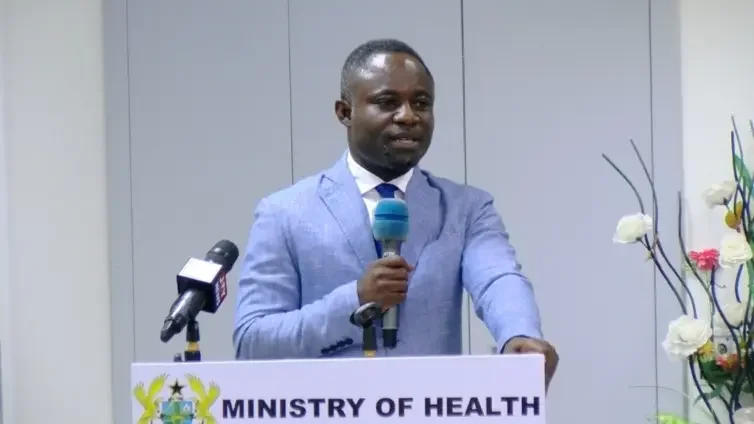
Health Minister Kwabena Mintah Akandoh has announced that Ghana recorded approximately 450 suspected cases of yellow fever between June and September 2026. While the cases have been identified across various parts of the country, the Upper West Region has emerged as a primary area of concern, reporting 74 suspected cases, three of which have been officially confirmed. The Minister emphasized the critical need for laboratory confirmation before any illness or death is definitively attributed to the disease. He assured the public that the government is enhancing surveillance and response efforts, particularly in northern Ghana, to manage the situation.
In response to the developing situation, a National Rapid Response Team has been dispatched to the Upper West Region to provide support and gather further data. Despite the reported figures, health authorities are currently awaiting final laboratory results from specialized facilities in Senegal before an official outbreak can be declared. This waiting period has coincided with reports of seven deaths in the Sissala East District that are believed to be linked to the suspected outbreak. Minister Akandoh has urged both the media and the public to remain calm and trust the measures being implemented by health officials.
Civil society organization SEND Ghana has expressed concerns regarding the speed of the government's intervention. Country Director Harriet Nuamah Agyemang characterized the response as slow, noting that the four-month period since cases first appeared is too long for an effective emergency reaction. She called for the immediate fumigation of affected communities to control the mosquito population and prevent further spread. Agyemang criticized the bureaucratic hurdles that often delay the release of funds and resources during health emergencies, arguing that the current response time must be significantly improved.
To ensure better preparedness for future health crises, SEND Ghana is advocating for the establishment of a dedicated Public Health Emergency Fund. This fund would allow the government to bypass standard bureaucratic delays and deploy resources immediately when an outbreak is suspected. Additionally, the organization is calling on the government to prioritize local vaccine manufacturing. By collaborating with local pharmaceutical companies and assessing current manufacturing initiatives, Agyemang argued that Ghana could reduce its reliance on international suppliers and improve its overall emergency health preparedness.

