••
Health Minister Kwabena Mintah Akandoh Announces Recruitment of 16,000 Professionals to Expand Free Primary Healthcare
•2 min read•3 sources
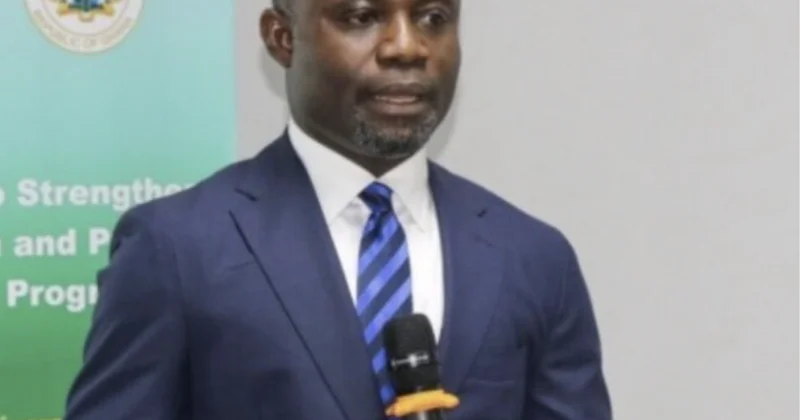
In a significant move toward achieving Universal Health Coverage, the Ghanaian government has announced the recruitment of 16,000 health professionals to support the Free Primary Healthcare (FPHC) program. Health Minister Kwabena Mintah Akandoh confirmed that 8,000 personnel have already been recruited and posted to various facilities across the country, with plans to hire an additional 8,000 in the coming phases. This workforce expansion is a cornerstone of the Mahama administration's strategy to bridge the healthcare gap between urban and rural populations by ensuring that qualified medical staff are available at the community level.
To complement this increase in personnel, the Ministry of Health has distributed 24,000 pieces of essential medical equipment to primary healthcare facilities, including CHPS compounds, health centers, and polyclinics. Minister Akandoh detailed that this includes 5,000 specialized healthcare bags designed for community outreach, with further plans to provide motorbikes and tricycles to enhance the mobility of health workers. These resources are intended to transform healthcare delivery from a reactive model to a proactive one, emphasizing the prevention and early detection of illnesses—particularly non-communicable diseases—through routine community screenings.
The initiative has already shown promising results in reaching underserved areas, with a notable increase in health professionals accepting postings to deprived regions such as the Upper West. Currently, approximately 13,500 nurses have been successfully integrated into the national payroll. Minister Akandoh emphasized that President John Mahama is actively working to enhance the conditions of service for health workers, offering specific incentives for those who serve in remote and challenging environments. This focus on staff welfare is seen as vital for the long-term sustainability of the FPHC program and the retention of talent within the public health sector.
Since its implementation, the FPHC program has conducted assessments for over 54,000 households, leading to thousands of critical health interventions and a more localized approach to medical care. By bringing services directly to the doorsteps of citizens, the government aims to reduce the burden on major referral hospitals and ensure that no Ghanaian is denied basic medical attention due to financial or geographical barriers. Moving forward, the Ministry intends to scale these efforts, prioritizing continuous equipment supply and the integration of the remaining recruited professionals into the national health network.
Related topic
John Mahama: Latest News & Updates →
