••
Ghana Health Authorities Tackle GH¢400m Legal Claims While Strengthening National Emergency Preparedness
•2 min read•3 sources
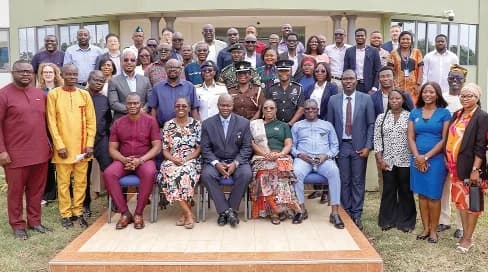
The Ghana Health Service (GHS) and the Ministry of Health are moving to fortify the nation’s healthcare framework by addressing a surge in medical-legal claims and enhancing emergency response systems. Minister for Health, Kwabena Mintah Akandoh, and the Director-General of the Ghana Health Service, Dr. Samuel Kaba Akoriyea, have both emphasized that Ghana must prioritize collaboration and internal accountability to ensure a resilient health sector. This dual focus comes at a critical time as the country seeks to learn from past health crises while professionalizing its clinical delivery to avoid costly legal disputes.
A significant challenge facing the GHS is a staggering GH¢400 million in medical-legal claims accumulated between 2023 and 2025. During this three-year period, 173 cases were reported involving allegations of medical negligence and treatment errors. Dr. Caroline Reindorf Amissah has highlighted that a growing awareness of patient rights has led to increased legal inquiries. To mitigate these risks, the GHS is implementing legal training for its officers and advocating for public education on early healthcare-seeking behaviors to prevent the complications that often lead to these disputes.
Simultaneously, health leaders are intensifying efforts to bolster Ghana’s defenses against public health threats. Dr. Samuel Kaba Akoriyea recently advocated for deeper coordination between state institutions and stakeholders during a visit to the National Public Health Emergency Operations Centre (PHEOC). He noted that past experiences, such as managing meningitis outbreaks and post-flood cholera prevention, prove that clear responsibilities are essential for effective responses. Supporting this mission, Dr. Sally-Ann Ohene of the World Health Organization (WHO) called for a more robust incident management system to ensure the PHEOC can operate at maximum efficiency during future crises.
On the regional stage, Minister Kwabena Mintah Akandoh reaffirmed Ghana’s commitment to strengthening disease surveillance and laboratory systems during a meeting of the Regional Technical Advisory Committee in Accra. He emphasized that regional cooperation across Africa is vital, especially following the lessons of the COVID-19 and Ebola pandemics. By focusing on the local production of essential medicines and vaccines, the Ministry aims to reduce external dependencies and secure the health of the Ghanaian people. These combined efforts represent a comprehensive strategy to improve both the quality of care and the nation’s readiness for any impending health emergencies.

