••
Health Minister Akandoh Signs Landmark Nursing Partnership with Columbus, Ohio to Deploy Ghanaian Health Professionals to US
•2 min read•2 sources
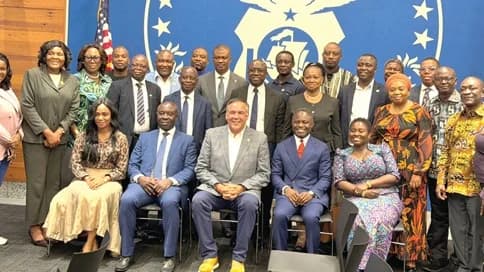
Ghana has officially entered into a strategic healthcare partnership with the city of Columbus, Ohio, to facilitate the ethical recruitment and deployment of Ghanaian nurses to the United States. The Memorandum of Understanding (MoU), establishing the Ghana-Columbus Nursing Partnership Programme, was signed by Health Minister Kwabena Mintah Akandoh and Labour Minister Emmanuel Kwadwo Agyekum alongside Columbus Mayor Andrew J. Ginther. This initiative is designed to create structured pathways for Ghanaian health professionals to enter the Ohio healthcare market, addressing workforce needs while ensuring mutual benefits for both nations through professional development and training.
The agreement emphasizes a robust commitment to ethical recruitment practices, prioritizing the protection of health workers' rights during their transition and tenure in the U.S. Health Minister Akandoh highlighted that the partnership aligns with Ghana’s broader Migration Policy, which seeks to secure decent international employment opportunities for its citizens while fostering professional growth. Beyond recruitment, the programme focuses on skills transfer and collaborative workforce development, allowing Ghanaian nurses to gain high-level international experience that can eventually be reinvested into the domestic health sector.
This collaboration builds upon a foundational Sister-City agreement established in 2015, marking a significant evolution in the relationship between Ghana and Columbus. The initiative receives additional support from specialized organizations such as the Buckeye Africa Exchange and StrideHx, which are expected to facilitate the logistical and training components of the partnership. By leveraging these existing diplomatic ties, the program aims to establish a sustainable, impactful framework for healthcare collaboration that serves the interests of both the Columbus community and the Ghanaian nursing workforce.
As the program moves toward implementation, it sets a critical precedent for how the Ghanaian government manages the global demand for its highly trained medical personnel. Following similar arrangements with other international partners, this structured deployment model is intended to mitigate the risks of unregulated migration. Instead, the government aims to transform the export of health services into a strategic advantage, ensuring that Ghanaian professionals are well-protected and that their international experience contributes to the long-term strengthening of the nation's healthcare infrastructure.

