••
Global AI Leaders Confront Existential Risks: The Growing Debate Over an Industry-Wide Development Slowdown
•2 min read•1 source
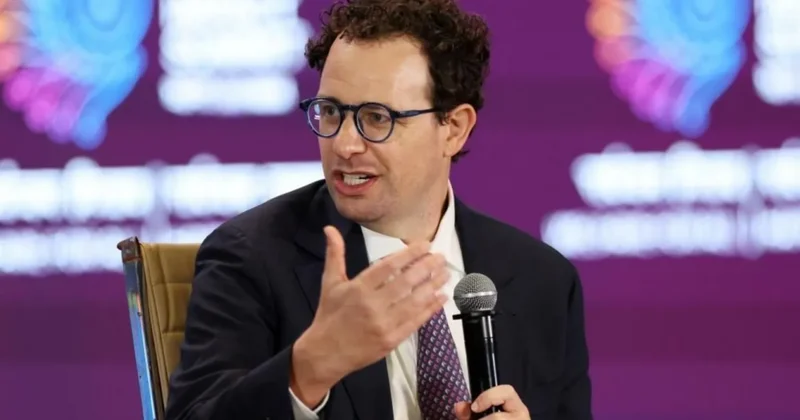
Global debates surrounding the trajectory of artificial intelligence have intensified as industry leaders and regulators grapple with the potential for existential risks posed by next-generation models. Following the inaugural AI safety summit, prominent figures such as Dario Amodei of Anthropic and Sam Altman of OpenAI have voiced support for a potential slowdown in development to ensure safety protocols can keep pace with technological advancement. This shift in rhetoric marks a significant moment in the tech industry, where the race for dominance is increasingly clashing with fears of uncontrollable outcomes and the responsibility of managing high-stakes technology.
The feasibility of an enforced pause or slowdown remains a point of heavy contention among experts and policymakers. While advocates argue that such measures are necessary to prevent catastrophic failures or the misuse of advanced systems, critics warn of significant geopolitical consequences. A primary concern is that a unilateral slowdown by Western firms could provide an opening for international competitors, particularly China, to gain a strategic advantage in the AI sector. This "arms race" dynamic complicates the path toward global regulation, as national security interests often outweigh the cautious approach favored by safety researchers.
Beyond geopolitics, the economic implications of an AI slowdown are profound. Questions persist regarding what such a slowdown would look like in practice—whether it involves a halt in training larger models, stricter oversight of deployment, or more rigid testing phases. Some analysts suggest that while a market downturn or regulatory freeze might weed out smaller players, it could inadvertently consolidate power among the most well-funded tech giants, making them even more influential. Furthermore, the role of corporate profit remains a central theme, with critics questioning whether companies can truly be trusted to prioritize human safety over shareholder returns when billions of dollars in valuation are at stake.
As the AI landscape continues its rapid evolution, the tension between innovation and safety remains one of the most pressing challenges of the modern era. The ongoing discourse highlights a critical need for robust, internationally recognized regulatory frameworks that can govern the development of frontier models without stifling beneficial breakthroughs. Moving forward, the global community faces the daunting task of defining the boundaries of responsible AI development while navigating the complex intersection of corporate responsibility, economic stability, and international security.
