••
AHF Ghana Warns Persistent HIV Stigma Could Derail 2030 National Health Targets
•2 min read•1 source
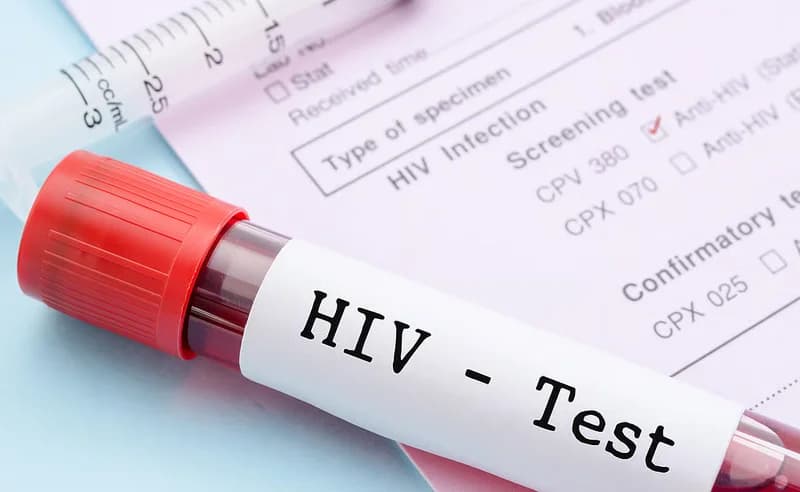
Ghana’s ambitious goal to end HIV as a public health threat by 2030 is under serious threat due to the lingering shadow of societal stigma. Dr. Ekua Houphouet, representing the AIDS Healthcare Foundation (AHF) Ghana, has warned that unless discrimination is actively dismantled, the nation may fail to meet its international and domestic health milestones. The persistent fear of social ostracization continues to prevent many Ghanaians from seeking life-saving services, creating a significant bottleneck in the national response to the virus.
Stigma operates as a multifaceted barrier, impacting every stage of the HIV care continuum. According to Dr. Houphouet, the fear of being judged or marginalized often discourages individuals from getting tested to know their status—the critical first step in the UNAIDS 95-95-95 targets. Furthermore, for those who are aware of their status, stigma often acts as a deterrent to accessing and maintaining antiretroviral treatment (ART). This breakdown in the cycle of care not only harms individuals but also undermines public health efforts to achieve viral suppression across the population, which is essential for stopping further transmissions.
Addressing this challenge requires a coordinated shift in societal attitudes and communication strategies. Dr. Houphouet emphasized the vital role of the media in challenging myths and presenting accurate portrayals of people living with HIV. By fostering a more informed and compassionate public discourse, Ghana can create an environment where individuals feel safe to seek medical help without the threat of discrimination. This shift is not just a health sector responsibility but a collective mandate for the government, civil society, and the general public to promote understanding and empathy.
As the 2030 deadline approaches, the integration of anti-stigma initiatives into broader health policy remains paramount. Eliminating the social barriers surrounding HIV is as crucial as the medical interventions themselves. Experts argue that without a concerted effort to humanize the experience of those living with the virus and ensure their dignity, the broader vision of a healthier, HIV-free future for all Ghanaians will remain out of reach. The fight against the epidemic is, at its core, as much a fight for social justice as it is for medical achievement.