••
Dr. Andrews Agyekumhene Urges Stakeholders to Empower Coastal Communities as Partners in Sea Turtle Conservation
•2 min read•1 source
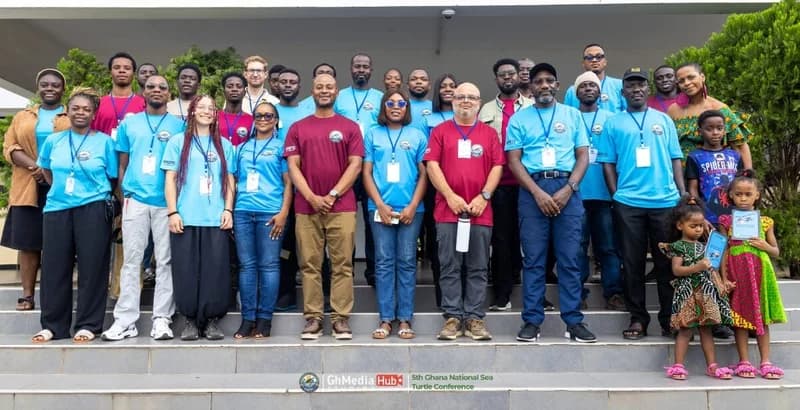
Stakeholders at the 5th Ghana National Sea Turtle Conference (GNSTC 2026) in Accra have been called upon to fundamentally redefine the role of coastal communities in marine preservation. Speaking at the event on September 4, Dr. Andrews Agyekumhene, the Executive Director of the Wildlife and Human Resources Organisation (WHRO) Ghana, emphasized that the survival of sea turtles is intrinsically linked to the activities and support of those living nearest to their habitats. He argued that for conservation efforts to be truly sustainable, these communities must be viewed as active partners rather than passive beneficiaries of environmental programs.
The conference highlighted several escalating threats to Ghana’s sea turtle populations, most notably rapid coastal development, climate change, and the disruptive effects of light pollution. Dr. Agyekumhene pointed out that traditional top-down approaches are no longer sufficient to mitigate these complex challenges. Instead, he advocated for a collaborative model that integrates scientific research with local knowledge. By involving residents in the actual planning, decision-making, and monitoring processes, conservationists can ensure that protection strategies are both culturally relevant and practically enforceable.
Established in 2018, the Ghana National Sea Turtle Conference serves as a critical platform for researchers, conservationists, and policymakers to exchange knowledge and develop innovative solutions for marine life protection. This fifth edition underscored the necessity of bridging the gap between scientific experts and the grassroots level. Dr. Agyekumhene’s call to action serves as a reminder that the long-term health of Ghana’s marine ecosystems depends on the empowerment of local people, ensuring they have a vested interest and a leading voice in safeguarding the biodiversity of their shores.