••
Gender Minister Agnes Lartey Highlights School Feeding Expansion to 4.5 Million Pupils Under Mahama Administration
•2 min read•7 sources
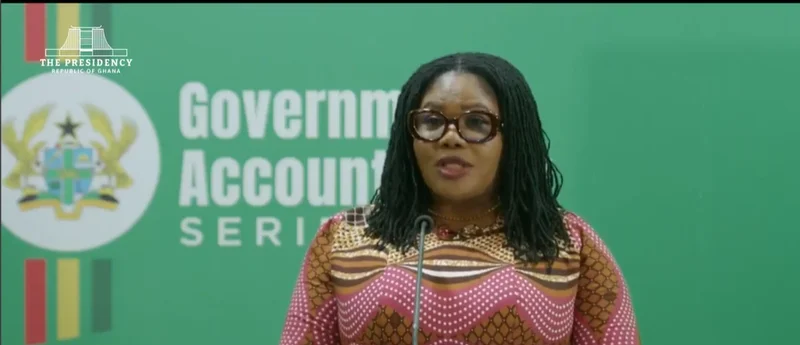
The Minister for Gender, Children and Social Protection, Dr. Agnes Naa Momo Lartey, has detailed a significant expansion of the Ghana School Feeding Programme (GSFP), which now provides daily nutritious meals to approximately 4.53 million children across the country. Speaking at a press conference at the Presidency, the Minister attributed the program's growth to the commitment of President John Mahama’s administration to enhance educational attendance and improve nutrition among schoolchildren. The reach of the program has seen a steady climb from 4.03 million pupils in 2024 to its current peak, reflecting a broader social protection strategy.
Financial data released by the Ministry reveals a substantial increase in government funding over the last three fiscal years. In 2024, the government allocated GH‵1,393,000,000 to support 4.03 million pupils at a rate of GH‵1.50 per meal. Under the Mahama administration in 2025, the budget rose to GH‵1,788,000,000 as the per-meal grant was increased to GH‵2.00. For the 2026 fiscal year, the allocation has further increased to GH‵1,982,902,513, maintaining the GH‵2.00 grant while accommodating the expanded beneficiary base of 4,527,636 children.
Beyond funding increases, the Ministry has focused on operational efficiency and meal quality. Dr. Lartey reported that 20,171 caterers and head cooks have undergone specialized training in nutrition standards to ensure that the meals served meet health requirements. Furthermore, compliance monitoring has been aggressively scaled; the number of schools monitored rose from 4,419 in 2025 to 8,270 in 2026. This enhanced oversight is designed to ensure that the increased budget translates directly into better service delivery and adherence to government standards at the local level.
Addressing long-standing concerns regarding payment delays, the Minister confirmed that all caterer arrears from 2024 have been fully settled. Additionally, payments for the first two terms of the 2025/2026 academic year have been processed. By stabilizing the payment cycle and increasing the per-meal investment, the government aims to provide a more reliable partnership for caterers while securing the health and educational outcomes of millions of Ghanaian students, ensuring that hunger does not act as a barrier to classroom success.
Related topic
John Mahama: Latest News & Updates →

