••
African Group of Negotiators warns against debt-driven energy transitions
•2 min read•2 sources
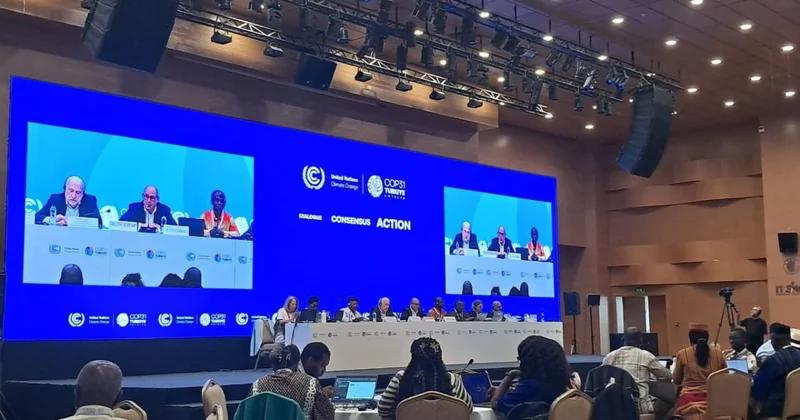
The African Group of Negotiators on Climate Change (AGN) has cautioned that the global transition away from fossil fuels must not be financed through mechanisms that exacerbate the sovereign debt crisis in developing nations. Speaking ahead of the COP31 summit in Türkiye, the group emphasized that forcing low-income countries to take on more loans for climate action could cripple their long-term development and public services. The AGN is calling for a fundamental shift in the global climate finance architecture to ensure that environmental goals do not come at the cost of economic stability.
AGN Chair Nana Dr Antwi-Boasiako Amoah presented research indicating that more than two-thirds of low-income countries are currently struggling with significant sovereign debt. This financial burden severely limits their capacity to invest in renewable energy infrastructure. The group highlighted a critical imbalance in current funding: only about one-third of climate finance from developed nations is currently grant-based. This leaves the most vulnerable countries with high repayment obligations that hinder their ability to meet fundamental development needs while pursuing sustainability targets.
The negotiators are advocating for a "just transition" that integrates debt relief into international environmental goals. Their agenda for COP31 prioritizes a move away from high-interest loans toward substantial, predictable grants and concessional financing. Furthermore, the AGN is pushing for direct funding through African institutions and the implementation of localized governance structures. They argue that international climate justice requires addressing the existing debt burden to make the transition to green energy feasible for the continent.
As the COP31 discussions approach, the financial framework for climate action remains a central point of contention. The AGN maintains that the pace of Africa’s energy transition will depend heavily on whether the international community provides climate capital that does not worsen the debt cycle. By addressing economic sovereignty alongside climate targets, the group believes African nations can achieve sustainable growth without being trapped in an unsustainable cycle of borrowing for climate resilience.