••
AGN Chair Champions Food-Climate Integration as Africa Balances Resource Wealth and Environmental Stewardship
•3 min read•3 sources
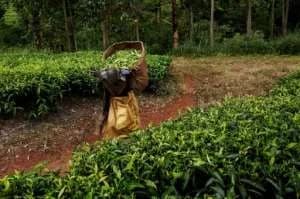
From the halls of Addis Ababa to the forests of Ghana and the mineral-rich landscapes of Malawi, Africa is at a pivotal crossroads between climate adaptation and economic transformation. Nana Dr. Antwi-Boasiako Amoah, Chair of the African Group of Negotiators (AGN) on Climate Change, recently set a continental tone by demanding that food systems be integrated into global climate policy. This call for strategic alignment comes as nations like Ghana double down on afforestation to combat environmental degradation, while Malawi prepares for a critical mineral boom that could reshape its economic future. Speaking at a high-level gathering in Ethiopia, Dr. Amoah emphasized that African communities cannot afford a trade-off between food security and climate action. With COP31 in Antalya and COP32 slated for Addis Ababa in 2027, the AGN Chair highlighted the urgent need to close financial gaps in adaptation funding. He urged civil society and international negotiators to develop a roadmap that ensures local actors can access the resources necessary to implement tangible solutions, moving beyond high-level rhetoric to address real-world challenges faced by the continent's most vulnerable populations. In Ghana, environmental expert Dr. Owusu Fordjour Aidoo echoed this urgency for local action, identifying tree planting and afforestation as vital defenses against a changing climate. Dr. Aidoo warned that illegal mining, logging, and bushfires are severely eroding the nation's forest cover, exacerbating environmental degradation. He called for a national communal effort involving youth, traditional leaders, and religious figures to protect newly planted trees and restore biodiversity, framing environmental stewardship as a collective responsibility essential for Ghana's ecological balance. While Ghana focuses on restoration, Malawi is looking toward an industrial leap through its looming mining boom in rare earth and critical minerals. The Malawian government aims to increase mining's contribution to GDP from a mere 1% to 12% by 2027, with mineral exports potentially reaching $30 billion by 2040. However, experts warn that this promise of transformation carries the risk of the resource curse. To avoid the pitfalls of exploitation and corruption, analysts stress that robust governance and active local participation are required to ensure these wealth-generating projects benefit the broader population rather than a select few. These developments across the continent underscore a unified theme: the necessity of proactive governance in the face of both environmental and economic shifts. Whether it is through integrating food security into climate negotiations, sustaining national afforestation programs, or managing the extraction of critical minerals, the path forward for Africa depends on bridging the gap between policy and practice. As these nations prepare for significant changes over the next decade, the success of these initiatives will rely on the ability of leaders to ensure that growth is both sustainable and inclusive.
