••
African Group of Negotiators to push for adaptation finance at COP31
•2 min read•1 source
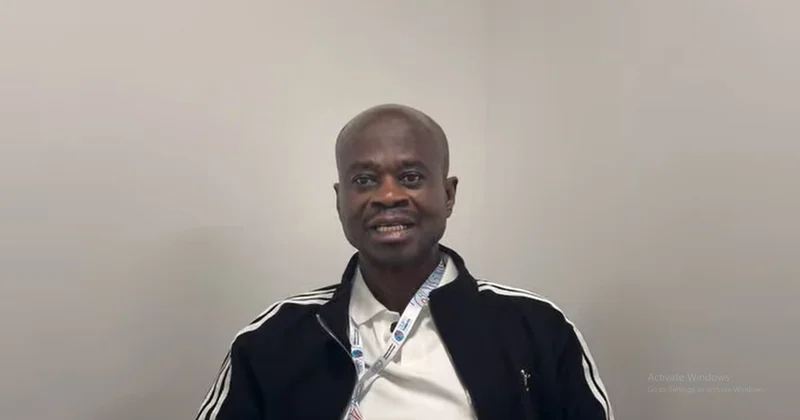
The African Group of Negotiators (AGN) has announced a unified strategy to champion the continent's climate interests at the upcoming United Nations Climate Change Conference (COP31). The summit, which is scheduled to take place in Antalya, Türkiye, from November 9 to 20, will gather representatives from nearly 200 nations to refine and advance the objectives of the Paris Agreement. As the lead technical body for African climate diplomacy, the AGN is focused on ensuring that the continent’s developmental priorities are central to the global negotiations.
This year’s conference has been designated as the "implementation COP," signifying a shift from setting goals to executing actionable climate initiatives. For the AGN, the primary objective is to secure a substantial increase in adaptation finance. The group argues that while Africa contributes minimally to global greenhouse gas emissions, it faces some of the most severe consequences of climate change. Increased funding is seen as vital for building resilience in key sectors such as agriculture, water management, and infrastructure, which are increasingly vulnerable to erratic weather patterns and rising temperatures.
Beyond financial advocacy, the African negotiators are emphasizing the need for climate actions that support, rather than hinder, the continent's economic development. The AGN Chair has stressed that the group remains united and prepared to fight for a framework that provides the technical support and investment necessary for a sustainable energy transition. By presenting a collective front, the group aims to exert greater influence on international policy, ensuring that the specific challenges faced by African nations—ranging from coastal erosion to desertification—are addressed with concrete resources.
The success of the Antalya summit will largely depend on the ability of the international community to bridge the gap between commitments and delivery. As the AGN prepares for the high-stakes discussions, the group’s focus remains on transforming the Paris Agreement into a practical tool for justice and development. The outcomes in Türkiye will provide a crucial indicator of global solidarity in addressing the climate crisis, particularly for the world's most vulnerable regions which are now demanding tangible results over rhetoric.


