••
Minister Governs Kwame Agbodza Demands Accountability in Road Infrastructure and Assures Osu Residents on Heritage Preservation
•2 min read•3 sources
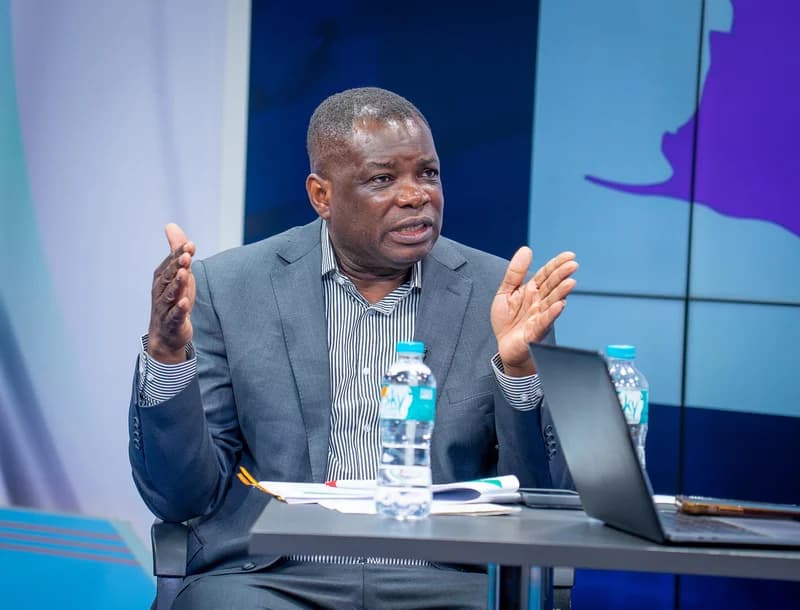
The Minister for Roads and Highways, Governs Kwame Agbodza, has issued a series of directives aimed at ensuring the integrity of Ghana's infrastructure projects, emphasizing that professional standards must always supersede political considerations. Speaking to engineers and stakeholders, the Minister asserted that no contractor should be considered "untouchable" due to their political connections. He urged engineers overseeing government road projects to maintain their professional independence and hold contractors strictly to project specifications, quality standards, and timelines. Agbodza warned that complacency or intimidation by contractors with ties to government officials would not be tolerated, as impartial supervision is essential for the durability of public infrastructure.
In addition to these calls for accountability, Minister Agbodza provided critical updates regarding the Tema to Winneba coastal road project, specifically addressing the concerns of Osu residents. During the 2026 World Architecture Day celebrations, he reassured the community that the government would not carry out indiscriminate demolitions. Acknowledging the complexities of a 500-meter stretch within Osu, the Minister explained that the government is collaborating with architects to find solutions that improve traffic circulation while preserving historically significant structures. He noted that while certain traffic solutions, such as one-way systems, require extensive space, the current approach prioritizes community heritage and safety.
These combined efforts reflect a broader ministerial strategy to balance rapid infrastructural development with ethical governance and social preservation. By demanding that engineers disregard personal or political relationships when enforcing contractual obligations, the Ministry aims to eliminate preferential treatment that has historically compromised project quality. As the coastal road project progresses, the government has pledged to maintain transparent communication with affected communities, ensuring that the modernization of Ghana's road network does not come at the expense of its cultural and historical landmarks.

