••
AfricaNenda Foundation ranks 19 payment systems at basic inclusivity level
•2 min read•1 source
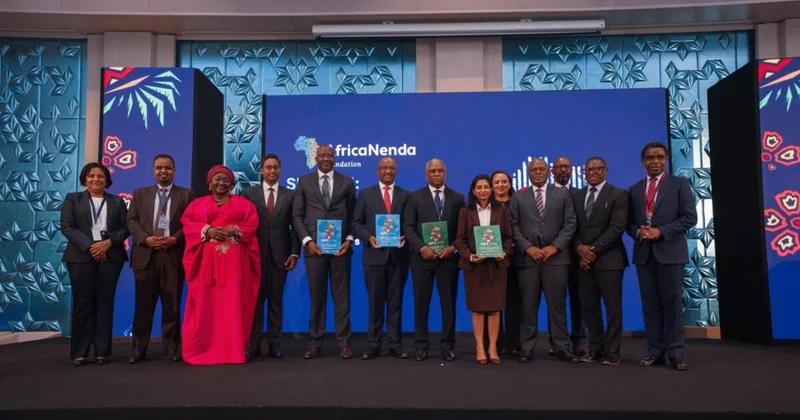
The AfricaNenda Foundation's 2026 report on the State of Instant Payment Systems (SIIPS) in Africa has revealed a notable expansion in digital financial infrastructure, with the number of systems rated at a "basic" level of inclusivity rising to 19. This represents an increase from 15 systems in 2025, driven largely by new entries and technological upgrades across the continent. Countries such as Liberia, Burundi, and Guinea have significantly contributed to this growth, marking a shift toward more accessible digital financial services for millions of Africans.
According to the report, the rapid growth in the basic tier—now covering 14 countries—surpassed all other categories of inclusivity. This surge was propelled by the launch of several national platforms, including Liberia's "Pay Na-Na," Burundi's "BurundiPay," and Guinea's "NimbaPay." These systems have introduced improved interoperability features and expanded payment solutions that cater to a wider demographic. Additionally, the number of instant payment systems that failed to meet any inclusivity ranking dropped from 10 in 2025 to eight in 2026, as existing platforms enhanced their capabilities to support merchant payments and peer-to-peer transfers.
Despite the quantitative growth in the number of systems, the AfricaNenda Foundation raised concerns regarding the depth of inclusivity. The report cautioned that the overall inclusivity of these systems is not keeping pace with the proliferation of the technology itself. Significant gaps remain in governance structures and the active inclusion of diverse participants, which are critical factors for systems seeking to advance beyond the "basic" tier. The foundation emphasized that while the expansion of infrastructure is a positive step, ensuring that these systems are truly accessible and beneficial to marginalized populations requires more than just technical deployment.
Looking forward, the report suggests that for African nations to achieve higher levels of financial inclusion, there must be a concerted effort to improve regulatory frameworks and participant engagement. The transition from "basic" to more advanced levels of inclusivity will depend on how well these systems can integrate informal sectors and offer low-cost, real-time transaction capabilities. As Africa continues to digitize its economy, the focus must shift from simply launching new systems to refining their governance and operational models to ensure long-term sustainability and widespread social impact.
