••
Three African Wild Dog Brothers Record Longest Dispersal with 4,126-Kilometre Trek Across Zambia
•2 min read•1 source
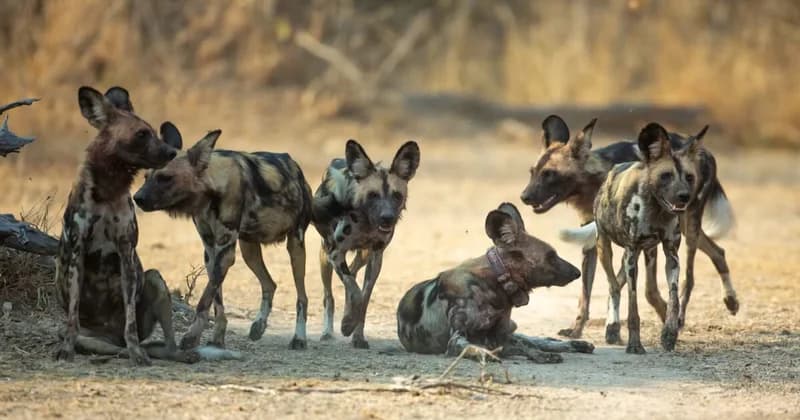
Three African wild dog brothers have made history by completing a 4,126-kilometre trek across Zambia, marking the longest dispersal ever recorded for an African mammal. The trio departed from the Mayukuyuku Pack in Kafue National Park in July 2025, embarking on an arduous nine-month journey in search of new breeding opportunities. Their trek concluded on April 1, 2026, when they finally settled in the Luano Game Management Area, providing researchers with unprecedented data on the movements of this vulnerable species. The remarkable expedition was tracked using GPS collars by a research team led by Professor Scott Creel. The findings, recently published in the journal Ecology, reveal that the dogs were three years old when they began their dispersal—a typical age for males seeking to establish themselves outside their natal packs. Throughout the journey, the brothers navigated a complex mosaic of landscapes, including both strictly protected national parks and unprotected territories, demonstrating the species' resilience and physical endurance. Despite the successful arrival at their destination, the study highlights significant obstacles facing wild dog populations. While the brothers covered vast distances, researchers noted that such long-range travel does not automatically result in successful reproduction or genetic exchange with other packs. The journey also exposed the animals to various threats, most notably human infrastructure and the prevalence of wire snares in unprotected areas. These findings emphasize that movement alone is not enough; the quality and safety of the corridors are paramount to the survival of the species. This record-breaking dispersal underscores the urgent need for transboundary conservation efforts and the maintenance of safe wildlife corridors across Southern Africa. The research conducted by Professor Creel’s team suggests that while natural connectivity exists between regions in Zambia and neighboring countries, active protection is required to ensure these pathways remain viable. Conservationists argue that securing these corridors is essential for preventing the isolation of wild dog populations and maintaining the genetic diversity necessary for their long-term survival in an increasingly fragmented landscape.