••
African Group of Negotiators opens COP31 strategy session in Türkiye
•2 min read•1 source
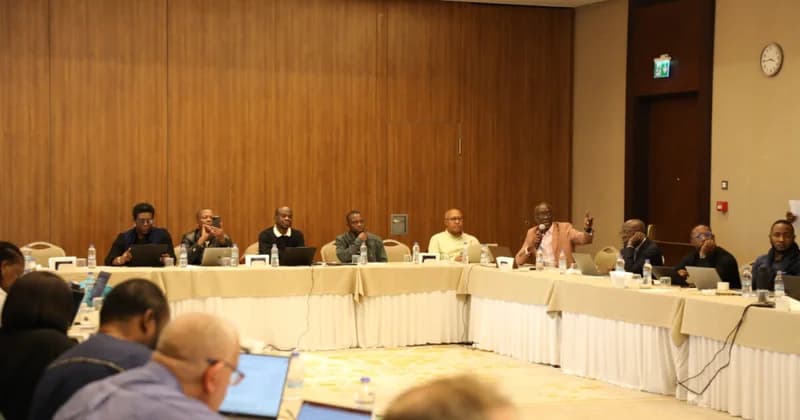
The African Group of Negotiators on Climate Change (AGN) has commenced a two-day strategy meeting in Antalya, Türkiye, to unify the continent's position ahead of the COP31 summit. Scheduled for November 1 to 2, the session focuses on establishing a cohesive voice for Africa in global climate discussions, particularly concerning adaptation funding, equity, and support for vulnerable populations. The gathering is seen as a critical step in ensuring that the specific environmental and economic challenges of African nations are prioritized on the international stage.
The strategy meeting takes place against a backdrop of increasing climate volatility across West Africa. The Ghana Meteorological Agency recently issued an advisory regarding a significant El Niño event that is expected to impact weather patterns in the region until mid-2027. This development highlights the urgent need for the adaptation strategies being discussed in Antalya, as African states grapple with the tangible effects of global warming while simultaneously navigating the complexities of international climate diplomacy.
AGN Chair Nana Dr. Antwi-Boasiako Amoah emphasized that unity and collaboration within the negotiating team are essential for effectively representing Africa’s interests. He noted that the session aims to bridge the gap between technical climate data and the diplomatic leverage required to secure commitments from global partners. By aligning their priorities now, the group intends to enter COP31 with a clear, uncompromising agenda that advocates for the financial and technological resources necessary to build long-term resilience.
As the meeting progresses, the AGN will continue to refine its approach to critical issues like loss and damage and technology transfer. The outcome of these discussions will provide a framework for African delegates to advocate for systemic changes in how climate finance is allocated. Ultimately, the Antalya session underscores the vital link between high-level diplomatic strategy and the immediate environmental realities facing millions across the African continent.

