••
African Forest Forum maps out EUDR compliance for cocoa and cashew
•2 min read•1 source
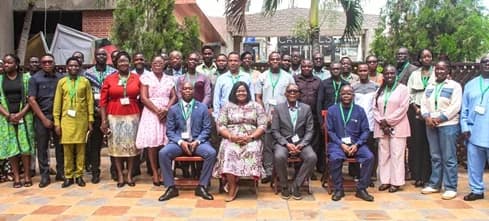
Stakeholders from Ghana’s forestry and agriculture sectors have convened in Accra to establish a sustainable production framework that aligns with the European Union Deforestation Regulation (EUDR). Organized by the African Forest Forum (AFF) in collaboration with AGRA and the Forestry Commission, the national dialogue focused on securing the future of Ghana's primary exports by ensuring commodities like cocoa and cashew are produced without contributing to further deforestation. The initiative comes as international trade rules become increasingly stringent regarding environmental sustainability and forest preservation.
The dialogue addressed the urgent need for traceable value chains, a core requirement of the EUDR for commodities entering the European market. Professor Labode Popoola, Executive Secretary of the AFF, emphasized that adopting sustainable practices is no longer optional but a necessity for trade survival. Participants explored strategies to integrate modern technology and monitoring systems into existing farming practices to provide the transparency required by international partners. This collaborative effort aims to align local production methods with global standards to maintain market access.
A significant focus of the meeting was the involvement of young people and women in forest management and traceability services. Stakeholders discussed a roadmap intended to leverage the skills of the youth to manage compliance efforts, effectively turning regulatory challenges into employment opportunities. By empowering these demographics, the organizers aim to create a more resilient and inclusive forestry sector capable of meeting global environmental standards while fostering economic growth.
As Ghana moves toward full EUDR compliance, the collaboration between government agencies and private stakeholders is expected to intensify to meet upcoming deadlines. The resulting roadmap will serve as a blueprint for aligning local production with global climate goals and protecting the livelihoods of thousands of smallholder farmers. This initiative underscores Ghana's commitment to preserving its forest cover while maintaining its competitive edge in the international agricultural market.

